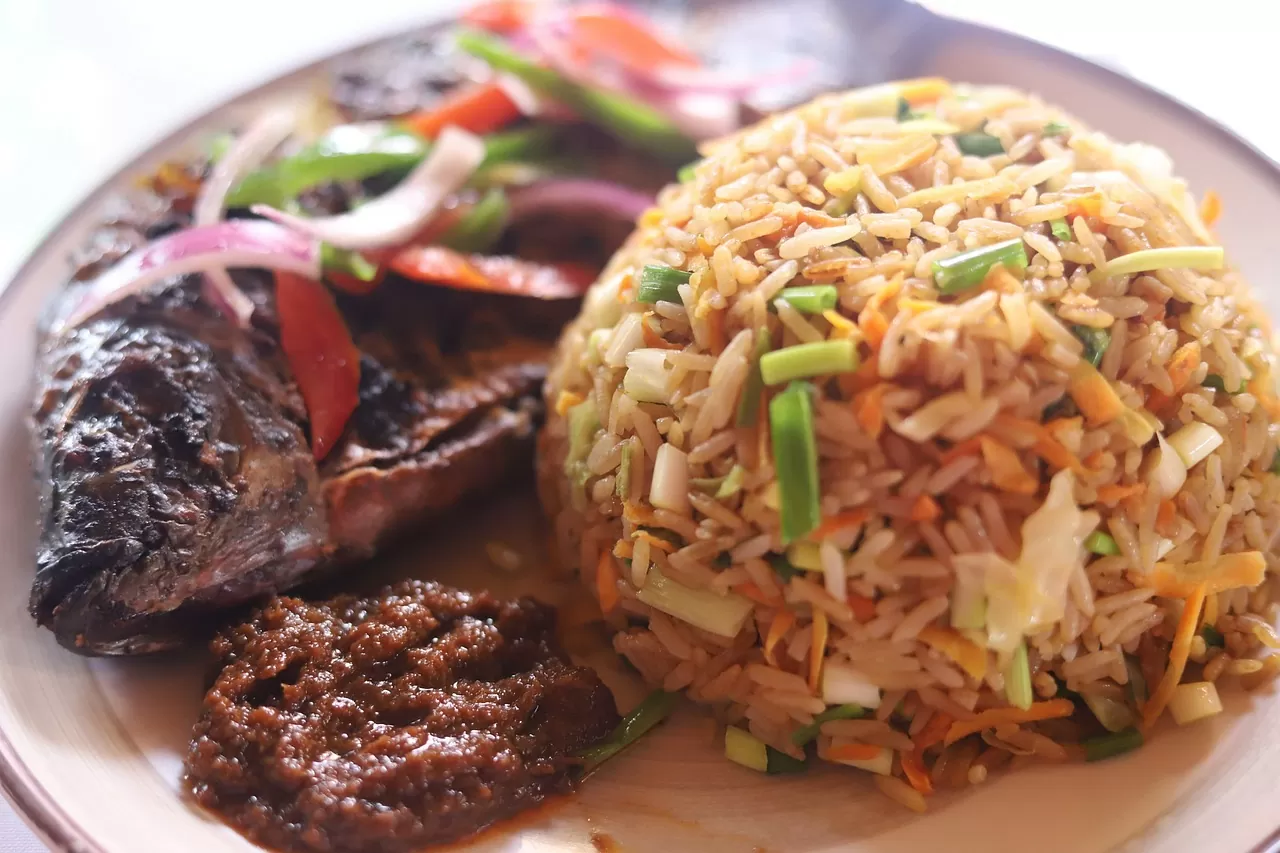
Madagascar is famous for its lemurs, baobabs, rainforests and extraordinary landscapes. But travelling across the island also reveals another side of the country: Malagasy food.
From a bowl of romazava served with steaming rice in the Highlands to freshly grilled fish beside the Indian Ocean, food in Madagascar changes with the landscapes, climate and traditions of each region.
Malagasy cuisine is generally generous rather than complicated. Rice plays a central role, recipes often make use of seasonal ingredients, and families have passed down many dishes for generations. Coastal areas bring coconut, fish and seafood into the kitchen, while Central Highland cooks often use rice, vegetables, pork and zebu.
For travellers, eating local food is much more than simply trying new dishes. It is an opportunity to understand everyday Malagasy life, regional identities and hospitality.
If you are planning a journey around the island, our guide to Madagascar customs and traditions will also help you understand some of the cultural practices you may encounter along the way.
Here are 15 traditional Malagasy dishes, snacks and flavours worth discovering during a trip to Madagascar.
What Is Traditional Malagasy Food Like?
The easiest way to understand traditional Malagasy cuisine is to start with two words:
Vary means rice.
Laoka is the dish served with it.
For many Malagasy meals, rice is not simply a side dish. It forms the centre of the meal, while the laoka may consist of meat, fish, beans, vegetables or leafy greens.
Recipes vary significantly from one part of Madagascar to another. In the Central Highlands, travellers are likely to encounter dishes based on rice, pork, zebu and vegetables. Along the coast, fish, prawns, crab, coconut milk and tropical produce become increasingly important.
This regional diversity is one of the pleasures of travelling through Madagascar: the same journey can take you from a warming Highland dish to a plate of freshly caught seafood beside a tropical beach.
Rice and laoka are fundamental features of Malagasy food culture, while regional ingredients and cooking styles vary according to location and availability.
1. Ravitoto sy Henakisoa
This cassava-leaf and pork dish is a familiar part of traditional Malagasy cuisine.
Cooks slowly simmer finely crushed cassava leaves until they develop a rich, earthy flavour. They traditionally pair the leaves with pork, or henakisoa, and serve the dish with rice.
Depending on the household and region, the preparation can vary. Cooks may add garlic, ginger or other ingredients, and some versions are richer than others.
What makes ravitoto particularly interesting for travellers is that it is not simply restaurant food. It is deeply connected to home cooking and family meals.
If you see ravitoto on the menu of a good Malagasy restaurant during your journey, it is one of the first dishes worth trying.
2. Romazava
Another essential dish is romazava.
Romazava is a broth prepared with meat and leafy greens. Beef or zebu is commonly used, although recipes differ considerably.
One of the greens traditionally associated with the dish is anamalaho, sometimes called paracress, which can create a distinctive tingling sensation in the mouth.
People generally eat romazava with rice and enjoy its relatively light, aromatic broth.
There is no single universal recipe. As with many Malagasy dishes, families and regions have developed their own versions.
For a first-time visitor who wants an introduction to traditional Madagascar food, romazava and ravitoto are two excellent places to start.
3. Hen’omby Ritra
Zebu occupies an important place in Madagascar, both culturally and gastronomically.
Hen’omby ritra is a slow-cooked beef or zebu preparation in which the meat cooks until much of the liquid has reduced.
The result is tender meat with concentrated flavours, which people usually serve with rice.
Some recipes use onions, garlic and ginger.
This is the kind of simple, satisfying dish that illustrates an important characteristic of Malagasy cooking: good ingredients do not necessarily need elaborate preparation.
Travellers crossing the Highlands are particularly likely to encounter zebu in different forms, from stews to grilled or dried meat.
4. Tsaramaso sy Henakisoa
Tsaramaso sy henakisoa combines beans and pork in a comforting slow-cooked dish.
The beans absorb the flavours of the meat and cooking liquid, producing a hearty laoka that people serve with rice.
Different versions can contain tomatoes, onion, garlic or ginger.
It may not have the international recognition of ravitoto or romazava, but it provides a good example of everyday Malagasy home cooking.
Sometimes the simplest meals are the ones that give travellers the clearest impression of how people actually eat.
5. Vary Amin’anana
Breakfast in Madagascar can be quite different from the continental breakfast many international travellers expect.
One traditional option is vary amin’anana, rice cooked with leafy greens until it develops a soft, almost porridge-like consistency.
It is particularly comforting during the cooler mornings of Madagascar’s Central Highlands.
Vary amin’anana may be eaten on its own or accompanied by meat, including kitoza, a preparation of dried or smoked meat. This combination is traditionally associated with Malagasy breakfasts.
If you spend time in Antananarivo, Antsirabe or elsewhere in the Highlands, trying a traditional breakfast can be just as interesting as eating in a more formal restaurant.
6. Kitoza
Kitoza traditionally refers to strips of meat that are dried or smoked and then cooked, often using beef or zebu.
Its intense flavour makes it well suited to being served with rice-based preparations such as vary amin’anana.
Kitoza also reflects older food-preservation traditions and the important place of zebu in Malagasy life.
For travellers who enjoy discovering foods beyond the dishes normally designed for tourists, it is worth looking out for.
7. Akoho sy Voanio
As you approach Madagascar’s coastline, the cuisine begins to change.
Akoho sy voanio, or chicken with coconut, is one of the dishes that illustrates this transition particularly well.
Cooks prepare chicken in a creamy coconut sauce, sometimes with ginger, garlic, tomatoes or other aromatics. They usually serve it with rice.
Coconut-based dishes are particularly associated with Madagascar’s coastal cuisine, where locally available ingredients influence everyday cooking.
Travellers exploring northern Madagascar and Nosy Be can combine these flavours with tropical islands, beaches and local markets on Natura Travel’s Northern Madagascar and Nosy Be tour.
8. Fresh Fish and Malagasy Seafood
Madagascar’s long coastline means that seafood can be one of the highlights of a journey around the island.
Depending on where you travel and what is available locally, menus may include:
- freshly grilled fish
- prawns
- crab
- lobster
- octopus
- fish cooked with coconut milk
- seafood served with rice and vegetables
Often, the simplest experience is the best.
Fresh fish grilled over charcoal and served close to where it was caught may be more memorable than a complicated restaurant dish.
Regional differences are particularly noticeable here. Cooks in Nosy Be, Sainte-Marie and Ifaty may prepare seafood in different ways.
Our East Madagascar tour combines rainforest, the Pangalanes Canal and Sainte-Marie, while the Southern Madagascar tour finishes beside the coast at Ifaty. Both itineraries offer opportunities to experience different aspects of Malagasy coastal life and cuisine.
9. Mofo Gasy
To experience Malagasy food like a local, do not focus only on lunch and dinner.
The streets of Malagasy towns come alive early in the morning with small food stalls, and one of the most recognisable breakfast foods is mofo gasy.
The name literally means “Malagasy bread”, although mofo gasy is closer to a small rice-based cake or pancake.
It is traditionally cooked in circular moulds and has a lightly sweet taste. Mofo gasy is commonly enjoyed in the morning with coffee or tea.
For travellers staying in Antananarivo or Antsirabe, seeing mofo gasy being cooked at a busy morning stall is part of the experience.
Malagasy street food includes a variety of rice-based cakes and fritters, with mofo gasy among the most widespread breakfast options.
10. Ramanonaka
If mofo gasy represents the sweet side of the Malagasy breakfast stall, ramanonaka offers a savoury alternative.
It is another rice-based speciality traditionally associated with the Highlands and resembles a savoury version of mofo gasy.
People generally eat it warm, often in the morning.
Trying mofo gasy and ramanonaka together provides an easy introduction to Madagascar’s street-food culture.
And because these foods are part of daily life rather than something created specifically for visitors, they can be among the most authentic flavours encountered during a trip.
11. Menakely
Another Malagasy snack worth knowing is menakely.
It is a fried doughnut-like speciality that can be found among the many small cakes, breads and fritters sold as snacks.
Like mofo gasy, it demonstrates the importance of simple street foods in Malagasy daily life.
These are not necessarily the foods you will see highlighted on the menu of an international hotel, which is exactly why they are interesting.
A journey through Madagascar becomes much richer when travellers occasionally look beyond formal restaurants and discover what people eat on their way to work, at markets or during a break in the day.
12. Koba
Those with a sweet tooth should look for koba.
This traditional Malagasy sweet generally combines ingredients such as rice flour, peanuts and banana. Cooks wrap the mixture in banana leaves, cook it slowly and then slice it.
The result is dense, sweet and filling.
Koba can often be found in markets and from street vendors.
It is one of the foods that visitors tend to remember because its texture and preparation are very different from many familiar European or North American desserts.
A small slice is generally enough for a first taste.
13. Kaka Pizon
The name may surprise you.
Kaka pizon, sometimes rendered as caca pigeon, literally has a rather amusing meaning, but the food itself is simply a popular crunchy snack.
These small pieces of fried dough are commonly eaten as a snack or aperitif.
They are another example of the informal side of Malagasy food: inexpensive, easy to share and commonly encountered in shops or markets.
Trying these little everyday specialities often becomes part of the fun of travelling around the island.
14. Ranon’ampango
One of Madagascar’s most distinctive traditional drinks is ranon’ampango.
After cooking rice, people may find a toasted layer at the bottom of the pot. People add water and heat it to make a warm drink with a roasted rice flavour.
For a traveller encountering it for the first time, the taste may be unexpected.
But ranon’ampango makes perfect sense once you understand the central place that rice occupies in Malagasy food culture.
It is traditionally served with or after a meal and represents one of those culinary experiences that would be difficult to discover without spending time in Madagascar.
15. Malagasy Chocolate, Vanilla and Other Local Flavours
Not everything worth tasting in Madagascar comes in the form of a prepared dish.
The island also produces ingredients and products that play an important role in its culinary identity.
Madagascar vanilla
Madagascar is strongly associated with vanilla, particularly in the northeast of the country.
Travellers may encounter vanilla in desserts, markets and local products, and visiting a spice-growing region can offer a different perspective on an ingredient most people normally see only in its finished form.
Malagasy chocolate
Madagascar also produces cacao, and locally made chocolate is well worth tasting.
Chocolate offers another example of why a culinary journey through Madagascar is interesting: locally grown ingredients can connect agriculture, regional landscapes and food traditions.
Tropical fruits
Depending on the region and season, markets may contain pineapples, bananas, avocados, jackfruit, soursop and numerous other tropical fruits.
We have a separate guide to the exotic fruits of Madagascar if you would like to know what to look for during your trip.
Seasonality matters, so what you find in a market can change throughout the year. If you are deciding when to travel, see our month-by-month guide to the best time to visit Madagascar.
How Does Malagasy Cuisine Change from Region to Region?
One of the biggest mistakes travellers can make is assuming that there is one single Malagasy cuisine.
Madagascar is enormous, and regional food traditions reflect different climates, agriculture and access to the sea.
The Central Highlands
Around Antananarivo, Antsirabe and other Highland areas, expect plenty of rice, vegetables and meat-based dishes.
Ravitoto, romazava, vary amin’anana, zebu and traditional breakfast foods are particularly relevant here.
This is also an excellent region for discovering markets and everyday urban food culture.
Northern Madagascar and Nosy Be
The north introduces travellers to a more tropical culinary environment.
Seafood, coconut and tropical produce become increasingly visible, particularly around the coast and islands.
Nosy Be is also associated with aromatic crops and tropical vegetation, making food part of the wider sensory experience of visiting the region.
Eastern Madagascar
Eastern Madagascar is lush, tropical and humid.
Fish, seafood, fruit and coastal ingredients complement the rice-based foundation of Malagasy cuisine.
Travelling through Andasibe, the Pangalanes region and Sainte-Marie provides a very different culinary backdrop from the Central Highlands.
Southern and Southwestern Madagascar
As the landscapes become drier toward the south and southwest, local ingredients and eating habits change again.
A journey along the famous RN7 allows travellers to experience this transition gradually, moving from Highland rice-growing areas through different cultural regions before eventually reaching the coast.
This is one reason travelling overland in Madagascar can be so rewarding: the scenery, people and food change together.
Is Malagasy Food Spicy?
Malagasy cuisine is generally flavourful rather than extremely spicy.
Cooks may use garlic, ginger, onion, tomato and other aromatics, but many traditional dishes are relatively mild.
Restaurants often serve chilli separately as a condiment, which allows diners to add heat according to their preference.
Travellers who dislike very spicy food therefore should not assume that Madagascar will be difficult for them.
At the same time, anyone sensitive to chilli should still ask before eating sauces or condiments.
What Can Vegetarians Eat in Madagascar?
Vegetarian travellers can usually find rice, beans, lentils, vegetables, leafy greens, potatoes and seasonal produce, particularly when they communicate their dietary needs in advance.
However, there is an important detail to remember:
A cook may prepare a seemingly vegetarian dish with meat stock, dried fish or animal fat.
It is therefore better to communicate clearly that you do not eat meat or fish rather than simply asking for “vegetables”.
When travelling through remote parts of Madagascar, discussing dietary requirements with your guide or travel organiser beforehand can make the journey considerably easier.
What About Food Allergies and Dietary Restrictions?
If you have a serious food allergy, prepare before travelling.
Ingredients are not always listed in detail on menus, particularly in small local restaurants, and communication can become more difficult outside major towns.
Before departure:
- tell your tour operator about serious allergies
- carry translated information explaining the allergy
- ask about ingredients when you are unsure
- be especially cautious with sauces and mixed dishes
- carry any medication prescribed for your allergy
Madagascar rewards adventurous eaters, but travellers should explore food sensibly.
Our guide to 21 essential things to know before travelling to Madagascar contains additional practical advice for preparing your journey.
Food Customs to Know in Madagascar
Food and hospitality are closely connected to Malagasy culture.
When sharing a meal with local people, observe what your hosts do and follow their lead.
Also remember that Madagascar has a tradition of fady, or local taboos. These can vary considerably from one community to another and may concern food, places, behaviour or particular days.
One region may discourage a practice that another considers perfectly normal.
Your local guide is usually the best person to explain these traditions.
This is another reason why travellers should explore food alongside culture in Madagascar.
Where Should You Try Traditional Malagasy Food?
You can discover Malagasy cuisine in many different settings.
Local restaurants and hotely
Small local restaurants can be excellent places to try everyday rice-and-laoka dishes.
Ask what the speciality of the day is rather than automatically choosing the most familiar item on the menu.
Markets
Markets are especially interesting for fruit, snacks and seeing the ingredients used in local cooking.
Remember that markets are places where people work, so be respectful when taking photographs.
Street stalls
Busy stalls can be excellent places to try breakfast foods such as mofo gasy.
Choose vendors with good turnover and freshly cooked food.
Hotels and lodges
Hotels and lodges often serve Malagasy dishes in a setting that may feel more accessible to first-time visitors.
They can also be particularly useful for travellers with dietary requirements.
Family and community experiences
Some of the most memorable meals may be the simplest ones: food prepared during a village visit, a home-cooked meal or a regional speciality recommended by your guide.
These experiences allow food to become part of the journey rather than simply something eaten between sightseeing stops.
Frequently Asked Questions About Malagasy Food
What is the most famous food in Madagascar?
People know ravitoto and romazava as two traditional Malagasy dishes. Rice, however, is the foundation of many everyday meals and is central to Malagasy food culture.
What is Madagascar’s national dish?
There is no single dish that represents every region and community. People often cite ravitoto and romazava among Madagascar’s emblematic traditional foods, but the country’s regional cuisines offer far more than one recipe.
What food should I try on my first trip to Madagascar?
For a good introduction, try ravitoto, romazava, zebu, vary amin’anana, coconut chicken, fresh coastal fish, mofo gasy and koba.
This combination covers traditional meals, breakfast, street food and coastal cuisine.
Is food in Madagascar spicy?
Usually not. Malagasy dishes tend to be aromatic rather than extremely hot, although chilli sauces and condiments may be available.
Is Madagascar good for seafood?
Yes, particularly along the coast and on the islands. Fish, prawns, crab, lobster and octopus may be available depending on destination and season.
Is Malagasy cuisine suitable for vegetarians?
It can be, particularly if travellers communicate their requirements in advance. Rice, beans, vegetables and greens are widely available, but travellers should confirm that the cook has not used meat stock, fish or animal fat in supposedly vegetable dishes.
What do Malagasy people eat for breakfast?
Breakfast varies, but traditional options can include mofo gasy, ramanonaka and vary amin’anana. Coffee and tea are also commonly consumed.
What desserts should I try in Madagascar?
Koba is one of the best-known traditional sweets. Tropical fruit and locally produced chocolate are also worth trying.
Discover Madagascar One Meal at a Time
Madagascar is not a destination where every region tastes the same.
That is precisely what makes its cuisine interesting.
A trip can begin with mofo gasy on a cool morning in Antananarivo, continue with romazava in the Highlands, lead to freshly grilled fish on the coast and finish with tropical fruit beside the Indian Ocean.
Food becomes a map of the journey.
It reflects Madagascar’s landscapes, agriculture, climate, traditions and communities, and it gives travellers another way to understand the island beyond its famous wildlife and national parks.
The best approach is simple: stay curious, ask what is local, try regional specialities and let the people you meet recommend what you should taste next.
At Natura Travel, our private itineraries combine Madagascar’s wildlife and landscapes with opportunities to discover local communities, markets and regional cuisine.
Explore our private and tailor-made Madagascar tours and let our local team create a journey that reflects the Madagascar you want to experience.