Explore the Spiny Forest
Walk among baobabs and extraordinary drought-adapted plants
while looking for endemic birds and other wildlife.
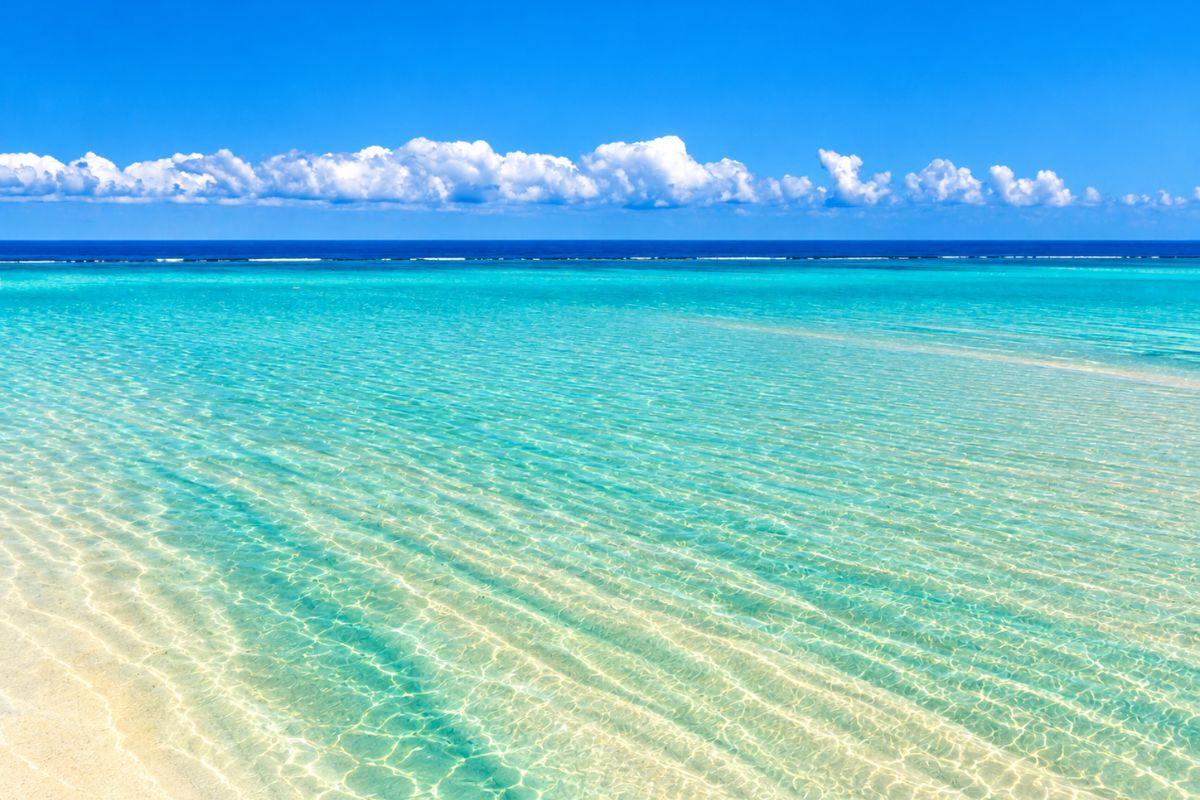
Located north of Toliara on the Mozambique Channel coast, the wider Ifaty
and Mangily area is an excellent place to slow down after travelling the
classic RN7 route through the Highlands and southern Madagascar.
But Ifaty is not simply a beach stop. The surrounding region offers baobabs,
endemic birds, mangroves, traditional fishing communities and opportunities
to explore an ecosystem found almost nowhere else on Earth.
This makes Ifaty an ideal final stage of a journey through
Southern Madagascar
.
Ifaty offers a rare combination of coastal relaxation and highly distinctive
wildlife habitats.
On the seaward side, the lagoon creates opportunities for swimming,
snorkeling, boat excursions and time on the beach.
Inland, the landscape changes dramatically into spiny forest,
where baobabs, Didiereaceae and other drought-adapted plants create
one of Madagascar’s most unusual environments.
This contrast between sea and dry forest is what makes Ifaty particularly
rewarding. Travellers can spend the morning birdwatching among baobabs
and the afternoon beside the lagoon.
Madagascar’s National Tourism Board describes Ifaty as a coastal fishing
village in the southwest, associated particularly with Sakalava and Vezo communities.
Official tourism itineraries highlight the nearby spiny forest,
baobabs, endemic birds and the lagoon’s coral fish.
The region is also used as a relaxing final stop after the RN7 journey
from Antananarivo through destinations such as Ranomafana,
Ambalavao and Isalo.
Sources & Local Context
Information about Ifaty’s lagoon, spiny forest, fishing communities,
baobabs and birdlife is supported by Madagascar’s National Tourism Board.
A good stay in Ifaty combines marine activities with the unique
terrestrial ecosystems of southwest Madagascar.
Walk among baobabs and extraordinary drought-adapted plants
while looking for endemic birds and other wildlife.
Discover a protected area near Ifaty focused on the distinctive
spiny forest ecosystem and its flora and fauna.
Explore coral environments and tropical fish when sea and
weather conditions are suitable.
Southwest Madagascar is famous among birdwatchers for species
restricted to this dry part of the island.
Nearby mangrove areas offer another coastal habitat and provide
useful insight into the ecological diversity of the Toliara region.
Ifaty works especially well as a slower coastal ending after
the mountains, forests and canyons of southern Madagascar.
The spiny forest is one of Madagascar’s most extraordinary ecosystems.
It is adapted to an extremely dry climate and contains plant forms
that look unlike conventional tropical forest.
Baobabs rise above dense stands of thorny vegetation,
while members of the endemic Didiereaceae family create
tall, sculptural silhouettes across the landscape.
Madagascar’s National Tourism Board specifically highlights the
spiny forest west of Ifaty for its unusual vegetation,
baobabs and endemic birds.
Reniala is one of the best-known nature excursions in the Ifaty area.
The reserve protects characteristic vegetation of Madagascar’s
southwest, including baobabs and plants adapted to severe drought.
Walking trails allow visitors to experience this ecosystem
at a slower pace than simply viewing it from the road.
The wider Ifaty region is especially attractive for birdwatchers
because several species are restricted to southern and
southwestern Madagascar.
Early morning generally provides the most comfortable conditions
for walking and bird observation.
For dedicated birders, Ifaty can be one of the highlights of a Madagascar trip.
The spiny forest supports bird communities adapted to
Madagascar’s arid southwest.
Several sought-after Malagasy birds occur only in southern
or southwestern habitats, making local guiding particularly useful.
Nearby lakes, mangroves and coastal habitats add waterbirds
to the wider birdwatching experience.
The lagoon is the other defining landscape of Ifaty.
Coral formations offshore help create sheltered coastal areas,
supporting fish and other marine life.
Madagascar’s National Tourism Board specifically recommends snorkeling
in the Ifaty lagoon for its coral fish.
Marine conditions vary, however, and visibility, currents and suitability
for swimming should always be checked locally on the day.
Protect the reef
Never stand on or touch coral. Keep a respectful distance from marine
wildlife and use operators that follow responsible snorkeling practices.
Fishing is central to life along Madagascar’s southwest coast.
Traditional pirogues remain a familiar part of the coastal landscape.
The Vezo are particularly associated with maritime livelihoods
and knowledge of the sea in this region.
Fishing villages are living communities, not open-air attractions.
Ask before photographing people, follow local guidance
and approach village visits as opportunities for respectful exchange.
The Toliara and Ifaty coastline includes important mangrove environments.
Mangroves provide nursery habitat for marine species,
protect coastlines and support local fishing communities.
Their dense root systems and tidal environment contrast strongly
with both the open lagoon and dry spiny forest.
Madagascar’s National Tourism Board includes the mangrove of
Ambondrolava among the nature excursions available around Ifaty.
A visit adds valuable ecological context to a coastal stay.
Historical tourism itineraries for Ifaty mention opportunities to observe
whales moving through the wider lagoon and coastal waters during the appropriate season.
As with all marine wildlife, sightings depend on migration timing,
sea conditions and natural behaviour.
If whales are an important reason for travelling, current seasonal information
and responsible operators should be checked before finalising the itinerary.
Ifaty combines marine ecosystems, spiny forest,
baobabs, mangroves and endemic wildlife.
The spiny forest and surrounding wetlands make this one
of southwest Madagascar’s strongest birding destinations.
Ifaty is well suited to travellers who want a few quieter days
after a long overland journey through Madagascar.
Combine sandstone canyons and hiking with a relaxing coastal
finale beside the Mozambique Channel.
Contrast cool granite mountains and trekking with
the dry coastal landscapes of southwest Madagascar.
Add Betsileo culture, craft traditions and Anja Reserve
before continuing south towards the coast.
Combine lush eastern rainforest with one of Madagascar’s
driest and most unusual ecosystems.
Ifaty works particularly well as the final destination on a classic
southbound journey from Antananarivo.
The route can move through the Highlands, rainforest,
Betsileo country, Andringitra and Isalo before eventually reaching
Toliara and the coast.
Ending at Ifaty creates a strong change of pace:
after days of driving and hiking, travellers can spend time by the lagoon
while still exploring spiny forest, birds and local coastal culture.
Ifaty is normally reached from the Toliara area by road.
Current transfer times should be confirmed when travelling,
as road conditions and traffic can affect journey duration.
A stay of several nights gives enough time to combine
the spiny forest, lagoon, birdwatching and genuine relaxation.
Travellers finishing a long RN7 itinerary often appreciate
having at least one unstructured day here.
Southwest Madagascar is among the country’s driest regions,
but marine conditions and seasonal wildlife still vary through the year.
The best dates should therefore be chosen according to your
entire southern Madagascar itinerary.
Sun protection is particularly important in the dry southwest.
Also bring lightweight clothing, comfortable walking shoes,
insect repellent and water for forest excursions.
Waterproof protection for electronics is useful for
boat trips and snorkeling excursions.
The dry forest of southwest Madagascar is highly distinctive
and vulnerable to habitat loss and resource pressure.
Stay on established trails, avoid collecting plants
and support conservation-focused reserves and local guides.
Avoid touching coral, do not chase marine animals
and choose excursions that minimise disturbance.
Responsible coastal tourism helps protect both marine biodiversity
and livelihoods dependent on healthy fisheries.
Yes. Ifaty is especially rewarding if you want to combine beach time
with spiny forest, baobabs, endemic birds, snorkeling and coastal culture.
Ifaty is known for its lagoon, spiny forest, baobabs,
endemic birds, fishing communities and snorkeling.
The spiny forest is a dry ecosystem of southern and southwestern Madagascar
characterised by drought-adapted plants, including baobabs
and members of the endemic Didiereaceae family.
Yes. The forests and wetlands around Ifaty are well known for
endemic and regionally restricted bird species.
Yes. Madagascar’s National Tourism Board specifically highlights
snorkeling in the lagoon and its coral fish.
Conditions should always be checked locally before entering the water.
Yes. Combining
Isalo National Park
with Ifaty is one of the most natural ways to finish a classic
southern Madagascar itinerary.
Yes. Its beaches and lagoon provide a slower ending after the
driving, hiking and national park visits of the RN7 journey,
while the spiny forest ensures there are still distinctive
nature experiences to discover.
Ifaty combines beaches, coral waters, baobabs, endemic birds and the
extraordinary spiny forest in one of southwest Madagascar’s most distinctive
coastal settings. Natura Travel can integrate Ifaty into a private itinerary
that finishes the RN7 journey at a slower pace without sacrificing nature
and cultural experiences.