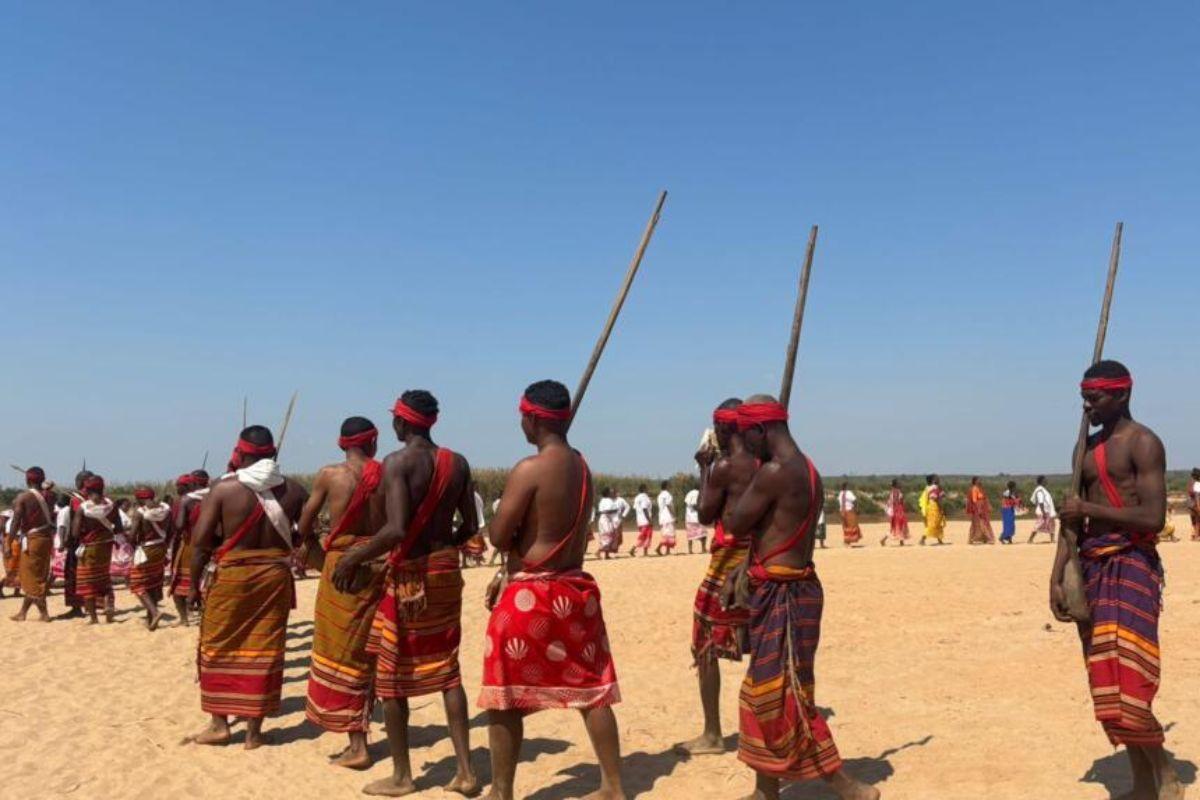
Madagascar is often discovered first through its lemurs, rainforests, baobabs and dramatic landscapes. But the island becomes much more meaningful when you also take time to understand the people, traditions and everyday life connected to those landscapes.
Travelling across Madagascar reveals terraced rice fields and traditional Highland houses, colourful markets, woodcarvers and weavers, fishing villages, family-run workshops, regional cuisine and communities whose customs can differ considerably from one part of the island to another.
Cultural travel here is not about watching a fixed performance of “traditional Madagascar”. Malagasy culture is living, diverse and constantly evolving. Some of the most memorable encounters happen naturally: talking with an artisan in a workshop, walking between villages, visiting a local market, sharing a meal or learning why a particular place is considered sacred.
This guide introduces some of the most rewarding cultural experiences in Madagascar, the regions where you can discover them and how to approach communities, traditions and sacred places respectfully.
Explore Madagascar’s Culture & Local Life
- Why culture is an essential part of a Madagascar journey
- Understanding Malagasy culture
- Fihavanana, family and community
- Fady, ancestors and sacred places
- Antananarivo & Ambohimanga
- The Central Highlands
- Antsirabe & local workshops
- Ambositra & Malagasy craftsmanship
- Zafimaniry country
- Fianarantsoa & Betsileo landscapes
- Ambalavao, Antemoro paper & silk
- Markets & everyday life
- Malagasy food & culinary culture
- Traditional Malagasy architecture
- Music, dance & performing arts
- Cultural experiences in eastern Madagascar
- Northern Madagascar & Nosy Be
- Western Madagascar
- Southern & southwestern Madagascar
- How to experience Malagasy culture respectfully
- Best time for cultural travel
- Cultural experiences on Natura Travel tours
- Frequently asked questions
Why Culture Is an Essential Part of a Madagascar Journey
Madagascar’s landscapes and wildlife are extraordinary, but travelling only from national park to national park means missing a large part of what makes the island unique.
The journeys between famous destinations pass through rice-growing valleys, villages, weekly markets, agricultural communities and towns known for particular crafts. Architecture changes as the climate changes. Food becomes different near the coast. Languages, customs and local traditions vary between regions.
Travelling slowly enough to notice these differences turns the road itself into part of the experience.
A visit to a craft workshop can reveal knowledge passed through generations. A market provides an introduction to seasonal foods and everyday commerce. Walking through a village can help explain how people build their homes and organise rural life.
Culture therefore does not need to be separated from nature, wildlife , trekking or beaches. It is present throughout the journey.
Understanding Malagasy Culture
Speaking about a single “Malagasy culture” is useful only as a starting point.
Madagascar has been shaped by centuries of movement, migration, exchange and local history. The Malagasy language belongs to the Austronesian language family, while the island’s cultural history also reflects deep African roots and later connections with the Indian Ocean, Arab, Indian and European worlds.
Today, the cultural experience changes significantly as you travel. Customs, dialects, food, architecture, ceremonies and relationships with land and ancestors can differ from one region and community to another.
This diversity is exactly why cultural travel in Madagascar should focus on curiosity rather than trying to create a checklist of “Malagasy traditions”.
Before travelling, we recommend reading our more detailed guide to Madagascar culture and traditions .
Fihavanana: Family, Community and Social Relationships
One concept that can help visitors better understand Malagasy society is fihavanana.
There is no perfect one-word translation. The idea is connected to family and kinship, but can extend to solidarity, mutual responsibility, community relationships and social harmony.
In practice, this helps explain the importance given to family relationships, greetings, respect, helping others and maintaining connections between people.
For travellers, a simple lesson follows from this: take time.
A greeting before asking a question, a conversation with a guide or artisan and genuine interest in the person in front of you can be much more meaningful than treating every encounter as a transaction.
Fady, Ancestors and Sacred Places
Travellers in Madagascar will often hear the word fady.
A fady is a prohibition or taboo connected to local customs, community rules, beliefs or sacred traditions.
Importantly, fady are not identical across Madagascar. Something permitted in one village may be inappropriate somewhere else. Rules can concern food, clothing, days of the week, access to particular places or behaviour near tombs and sacred sites.
You are not expected to know every local rule before arriving. The important thing is to listen to your local guide and ask when you are unsure.
The Importance of Ancestors
Relationships between the living and the ancestors remain important in many Malagasy communities.
Tombs may therefore carry meanings that are not immediately obvious to an international visitor. A structure that appears abandoned or simply old may still be an important family or sacred place.
Never climb on, touch or enter a tomb or sacred site unless your guide explicitly explains that it is appropriate.
Famadihana and Private Ceremonies
One Malagasy tradition that international visitors sometimes hear about is famadihana, commonly associated with the Central Highlands and often described in English as the “turning of the bones”.
It is important not to treat such ceremonies as tourist performances. They are family and community events connected to ancestors, memory and social relationships.
Travellers should only attend a private ceremony when genuinely invited and when the family or community is comfortable with their presence.
Antananarivo: History, Markets and Everyday Urban Life
Madagascar’s capital is often treated simply as an arrival or departure point, but Antananarivo can provide an excellent introduction to the country’s history and contemporary life.
The city spreads across hills covered with houses, churches, markets, narrow streets and rice fields in the surrounding plains.
Exploring the older parts of the city can introduce travellers to Madagascar’s royal history, Highland architecture and the development of the capital.
Markets and Craft Shops
Antananarivo is also a useful place to discover Malagasy crafts from different parts of the island.
Depending on the market or shop, travellers may encounter basketry, embroidery, woodwork, raffia, decorative objects, textiles, spices and other locally produced goods.
Markets are working spaces, not just tourist attractions, so always ask before taking close-up photographs of vendors or customers.
Royal Hill of Ambohimanga
Outside central Antananarivo, the Royal Hill of Ambohimanga is one of Madagascar’s most important historical and spiritual places.
The site includes a royal city, burial places and sacred areas and is closely associated with the history of the Merina kingdom.
It was inscribed on the UNESCO World Heritage List in 2001 and remains a place of strong cultural and spiritual significance.
Ambohimanga should therefore be approached not simply as an old royal palace but as a living cultural landscape where history, identity and belief remain connected.
The Central Highlands: Rice Terraces, Villages and Cultural Landscapes
Travelling south from Antananarivo through Madagascar’s Central Highlands introduces one of the island’s most distinctive cultural landscapes.
Rice fields fill valleys and climb hillsides in terraces. Villages are often characterised by earth or brick houses adapted to the cooler Highland climate, while agriculture shapes much of the scenery.
Road journeys through the Highlands offer repeated opportunities to see everyday life: farmers working fields, people travelling between villages, roadside markets, brick-making, zebu carts and local workshops.
The domestic zebu (Bos indicus) also has an important economic, social and cultural role in Madagascar and is visible throughout many rural regions.
These scenes should not simply be photographed from a vehicle. When the itinerary allows, stopping, walking and spending time with a local guide makes the landscape far more meaningful.
Antsirabe: Workshops, Rickshaws and Highland Life
Antsirabe is one of the best places to combine urban life, craftsmanship and the landscapes of the Central Highlands.
The city is well known for its colourful pousse-pousse and cycle rickshaws, as well as a variety of small workshops and craft businesses.
Depending on the chosen visits, travellers may discover artisans working with recycled materials, embroidery, horn, miniature objects or other local crafts.
The value of these visits lies in meeting the people producing the objects and understanding how the work is done, rather than simply arriving at a souvenir shop.
Ambatolampy and Aluminium Workshops
Between Antananarivo and Antsirabe, Ambatolampy is particularly associated with traditional aluminium casting.
Workshops produce cooking pots and everyday objects using methods that provide an interesting insight into local small-scale industry and the reuse of materials.
Ambositra: One of Madagascar’s Great Craft Centres
Continuing south, Ambositra is one of Madagascar’s best-known centres for traditional arts and craftsmanship.
Woodworking is particularly important, and shops and workshops display furniture, carvings, decorative objects and marquetry.
Ambositra is also the principal gateway towards the mountainous Zafimaniry region.
Natura Travel includes Ambositra on both the Madagascar Adventure Tour and the Southern Madagascar Tour .
Zafimaniry Country: Woodcraft, Villages and a Living Heritage
For travellers interested in culture, walking and traditional architecture, Zafimaniry country is one of Madagascar’s most rewarding regions.
Located in a mountainous area southeast of Ambositra, Zafimaniry communities have preserved an exceptional tradition of wood construction and carving.
Houses, doors, shutters, beams, furniture and everyday objects can incorporate sophisticated woodworking techniques and geometric decorative motifs.
UNESCO-Recognised Woodcrafting Knowledge
The woodcrafting knowledge of the Zafimaniry was inscribed on UNESCO’s Representative List of the Intangible Cultural Heritage of Humanity in 2008.
The important word here is knowledge. The heritage is not simply a collection of carved objects for sale. It includes skills, building techniques, designs and knowledge transmitted through generations.
Walking Between Zafimaniry Villages
Reaching some communities involves travelling on foot through hills, valleys and rural landscapes.
The walk is therefore part of the experience, allowing travellers to understand the relationship between villages, agriculture, forests and the surrounding mountains.
These are living communities, not reconstructed heritage villages. Visitors should respect homes, people and daily activities and ask before photographing residents.
Our Madagascar Adventure Tour includes a trek through Zafimaniry country before continuing towards Ranomafana and Andringitra.
If you enjoy discovering a culture on foot, see our complete guide to hiking and trekking in Madagascar .
Fianarantsoa and the Cultural Landscapes of the Southern Highlands
Fianarantsoa and the surrounding Betsileo country offer another perspective on Highland Madagascar.
Rice cultivation has strongly shaped the landscape, with terraces, villages and agricultural valleys creating some of the most characteristic scenery along the RN7.
Fianarantsoa itself is an important Highland city with historic neighbourhoods, churches, markets and everyday urban life.
The region rewards travellers who look beyond individual monuments. Walking through a rural landscape, observing agricultural work and understanding how villages relate to the rice fields can be just as meaningful as visiting a formal attraction.
Ambalavao: Antemoro Paper, Silk and Highland Traditions
Ambalavao is another important cultural stop on Madagascar’s classic southern route.
The town is surrounded by mountains and agricultural landscapes and provides opportunities to discover several traditional crafts.
Antemoro Paper
Visitors can discover workshops producing handmade Antemoro paper.
The paper is made from plant fibres and is often decorated with dried flowers and leaves, creating distinctive sheets used for cards, decorative objects and stationery.
Watching the different stages of production provides much more context than simply seeing the finished paper in a shop.
Malagasy Silk
Silk production and weaving are another part of Madagascar’s textile traditions.
Depending on the workshop and itinerary, visitors may learn about fibres, spinning, natural colours and weaving techniques used to produce textiles and traditional garments.
Natura Travel’s Southern Madagascar Tour passes through Fianarantsoa and Ambalavao and includes an Antemoro paper experience before continuing towards Anja and Isalo.
Local Markets: Discover Everyday Madagascar
Markets are among the simplest and most rewarding places to observe everyday life in Madagascar.
Depending on the region and season, stalls may contain rice, vegetables, tropical fruit, spices, dried fish, meat, household goods, clothing, baskets and locally produced crafts.
A market is not primarily organised for tourists. That is exactly what makes visiting one interesting.
Take time to walk, observe and ask questions through your guide rather than treating the market as a quick photography stop.
Photography in Markets
Always ask before photographing a person at close range.
A market seller is working. Buying something does not automatically give permission to photograph them.
Respectful interaction creates a much more positive experience for both visitor and host.
Taste Madagascar: Food as a Cultural Experience
Food is one of the easiest and most enjoyable ways to discover everyday Malagasy culture.
Rice is central to many meals and is commonly served with laoka, the accompanying dish, which may include vegetables, beans, meat, fish or seafood depending on the region.
Foods You May Encounter
Traditional foods and dishes can include romazava, ravitoto, vary amin’anana, mofo gasy, koba and dishes made with zebu (Bos indicus).
Coastal regions bring more fish, seafood, coconut and tropical produce into the cuisine, while Highland food reflects its cooler climate and agricultural traditions.
Go Beyond Hotel Restaurants
A formal restaurant is not the only place to discover Malagasy food.
Depending on your itinerary and comfort level, cultural food experiences can include local restaurants, markets, bakeries, roadside snacks or meals recommended by your guide.
Food hygiene remains important, particularly with street food, so use local advice when deciding where to eat.
Continue with our guide to traditional Malagasy food and dishes to try .
Traditional Malagasy Architecture
One of the clearest signs that you have entered a different region of Madagascar is often the way houses are built.
Architecture responds to climate, locally available materials, historical traditions and social practices.
Highland Houses
In the Central Highlands, earth and brick are particularly visible. Tall houses surrounded by rice fields create a landscape very different from the tropical coasts.
Wooden Architecture
Wood becomes especially significant in regions such as Zafimaniry country, where construction techniques and decorative carving form part of an internationally recognised living heritage.
Coastal Architecture
Along wetter and tropical coasts, travellers may see homes incorporating plant materials, timber, reeds, woven panels or other materials adapted to local conditions.
Learn more in our guide to traditional Malagasy architecture .
Music, Dance and Performing Arts in Madagascar
Music is present throughout Malagasy social life, but styles and traditions vary widely by region.
Travellers may encounter music at festivals, celebrations, restaurants, community events or simply as part of everyday life.
Hiragasy
One of the best-known performing traditions of the Central Highlands is hiragasy.
Hiragasy combines music, song, dance and oratory and has historically been performed by travelling groups in public gatherings.
UNESCO inscribed hiragasy on the Representative List of the Intangible Cultural Heritage of Humanity in 2023.
If an authentic performance coincides naturally with your journey, it can provide a fascinating introduction to Malagasy performing arts. However, festivals and community performances should not be promised unless dates and local arrangements are confirmed.
Cultural Experiences in Eastern Madagascar
Eastern Madagascar offers a very different cultural environment from the Central Highlands.
Tropical vegetation, lakes, canals, coastal settlements and fishing communities influence everyday life and architecture.
Life Along the Pangalanes Canal
Travelling along the Pangalanes Canal provides opportunities to see villages and communities that use the waterways for transport, fishing and daily activities.
The experience is particularly meaningful because the canal is not simply a tourist route. It is a lived-in waterway.
Discover this region on our East Madagascar Tour or learn more about travelling by water in our guide to river and boat adventures in Madagascar .
Sainte-Marie
Sainte-Marie is famous for beaches and humpback whales, but the island is also rewarding for travellers interested in local life.
Cycling or travelling slowly through the island reveals villages, rice fields, fishing communities, local restaurants and roadside activity that can easily be missed when travelling only between resorts.
Read our complete Sainte-Marie travel guide for more ideas.
Cultural Experiences in Northern Madagascar & Nosy Be
Northern Madagascar has its own combination of coastal towns, rural communities, fishing villages, markets and tropical agriculture.
Antsiranana
Antsiranana, also known as Diego Suarez, combines a distinctive urban history with one of Madagascar’s most spectacular coastal settings.
Markets, restaurants, architecture and everyday city life make it worth spending time in the town rather than using it only as a gateway to Amber Mountain or Ankarana.
Ramena
Near Antsiranana, Ramena is a traditional fishing village beside a long beach.
Spending time here provides a different perspective on the northern coast from simply visiting scenic bays and beaches.
Ramena is included in both our North Madagascar Tour and our Northern Madagascar & Nosy Be Tour .
Nosy Be Beyond the Beach
Nosy Be is often presented only as a beach destination, but local markets, villages, agriculture, fishing and craft traditions reveal another side of the island.
Visiting markets and travelling inland helps show that Nosy Be is a living island rather than simply a collection of resorts.
Explore more in our Nosy Be travel guide .
Cultural Encounters in Western Madagascar
Western Madagascar is famous for baobabs, Tsingy and dry forest, but culture is an equally important part of travelling through this vast region.
Communities Along the Tsiribihina River
A multi-day journey on the Tsiribihina passes far from Madagascar’s main roads and provides glimpses of village life along the river.
These encounters should remain natural and respectful. Communities are not staged stops, and visitors should always ask before photographing residents or entering private spaces.
Our West Madagascar Tour combines the Tsiribihina with Tsingy de Bemaraha, Kirindy and Morondava.
Morondava and the West Coast
Morondava provides an introduction to everyday life on Madagascar’s west coast as well as access to the famous baobab landscapes.
Local markets, fishing activity and villages provide cultural context to a region too often photographed only for its scenery.
Culture Along Madagascar’s Southern & Southwestern Coast
Southern and southwestern Madagascar introduce travellers to landscapes, communities and ways of life very different from those of the Highlands.
Vezo Fishing Communities
Along parts of Madagascar’s western and southwestern coastline, travellers encounter communities closely connected to fishing and maritime life.
Traditional pirogues remain an important part of coastal landscapes, particularly around areas such as Ifaty, Anakao and other fishing villages.
A respectful village or pirogue experience can help travellers understand how the sea influences transport, food, work and local identity.
Discover more coastal destinations in our guide to beaches and islands in Madagascar .
The Deep South
Madagascar’s far south is culturally and environmentally distinct. Villages, livestock, funerary traditions and relationships with an arid landscape differ considerably from the Central Highlands.
Cultural visits here require especially careful local guidance. Tombs and sacred places may be highly significant and should never be approached casually or photographed without permission.
Malagasy Crafts Worth Discovering
Craftsmanship varies considerably across Madagascar, and visiting the people who produce an object provides far more context than buying it at the end of a trip.
Depending on the regions visited, travellers may encounter:
- wood carving and marquetry;
- Zafimaniry woodworking;
- Antemoro handmade paper;
- silk spinning and weaving;
- raffia weaving;
- basketry;
- embroidery;
- horn work;
- metal and aluminium workshops;
- textiles and traditional garments;
- locally made decorative and everyday objects.
When buying crafts, look for locally made products and ask questions about where and how an item was produced.
Avoid purchasing objects made from protected wildlife, endangered woods or materials whose legal origin cannot be established.
How to Experience Malagasy Culture Respectfully
Meaningful cultural travel depends as much on how you behave as on where you go.
Ask Before Taking Photographs
Do not assume that someone wants to be photographed because they are wearing traditional clothing, working in a market or living in a village.
Ask first, especially for portraits and photographs of children.
Respect Fady
Local taboos and customs vary considerably. Follow your guide’s advice regarding sacred places, tombs, food, clothing and behaviour.
Remember That Villages Are Homes
A village is not an attraction created for visitors.
Avoid entering houses, courtyards or private spaces unless invited. Try to interact rather than simply photograph.
Do Not Demand Ceremonies
Traditional ceremonies should not be staged simply because a traveller wants a photograph or “authentic experience”.
If a festival, performance or ceremony naturally coincides with your journey and visitors are welcome, follow local guidance.
Support Local Skills
Buying directly from artisans, using local guides and choosing community-based services where appropriate helps keep a greater share of tourism income within local communities.
Learn a Few Malagasy Words
Even a few simple words can make interactions warmer.
Salama is a widely understood greeting. Misaotra means thank you.
Pronunciation and everyday expressions can vary, so your guide can help you learn appropriate phrases during the journey.
When Is the Best Time for Cultural Travel in Madagascar?
Cultural experiences are possible throughout the year because towns, villages, markets, workshops and everyday life do not follow a single tourism season.
For a broader road journey across several regions, the period from approximately April to November is generally convenient because rainfall is lower in many parts of Madagascar and overland travel is often easier.
However, cultural events, festivals, agricultural activities and ceremonies follow their own calendars and may vary from one region, community and year to another.
If a particular festival or event is important to your trip, its dates should be confirmed before finalising the itinerary rather than assumed from previous years.
For weather and regional conditions, see our month-by-month guide to the best time to visit Madagascar .
Madagascar Tours with Cultural Experiences
Culture can be incorporated naturally into almost every Madagascar itinerary. The best experiences often happen between the major parks and attractions rather than in a separate “cultural tour”.
Madagascar Adventure Tour & Zafimaniry Country
Travel through the Central Highlands, discover craftsmanship around Ambositra and trek through Zafimaniry country before continuing towards Ranomafana, Andringitra and Isalo. Explore the Madagascar Adventure Tour
Southern Madagascar & the RN7
Cross Madagascar’s Central Highlands through Antsirabe, Ambositra, Fianarantsoa and Ambalavao, with traditional villages, crafts and Antemoro paper along the route. Explore the Southern Madagascar Tour
East Madagascar & the Pangalanes
Combine Andasibe wildlife with life along the lakes and waterways of the Pangalanes Canal before continuing to Mahambo and Sainte-Marie. Explore the East Madagascar Tour
West Madagascar & the Tsiribihina
Travel through Highland landscapes before spending several days along the Tsiribihina River, encountering remote villages and western Madagascar on the way to the Tsingy and Morondava. Explore the West Madagascar Tour
Northern Madagascar & Nosy Be
Combine northern national parks and landscapes with Antsiranana, Ramena, local coastal life and the islands around Nosy Be. Explore Northern Madagascar & Nosy Be
All Natura Travel itineraries are private and can be adapted according to the cultural experiences, regions, landscapes and activities that interest you most.
Browse all our private Madagascar tours for more inspiration.
Combine Culture with Other Madagascar Experiences
Cultural discovery works particularly well when it is woven naturally into a wider journey.
Wildlife & Nature
Combine villages and local communities with Madagascar’s endemic wildlife, forests and national parks.
Hiking & Trekking
Walk through cultural landscapes such as Zafimaniry country and the Central Highlands.
River & Boat Adventures
Experience everyday life along the Tsiribihina River and Pangalanes Canal.
Beaches & Islands
Discover fishing villages and local island life alongside Madagascar’s tropical coastline.
Or return to all activities and experiences in Madagascar .
Learn More About Malagasy Culture Before You Travel
Understanding a little about Madagascar before arriving can make cultural encounters much richer.
- Madagascar Culture and Traditions: A Guide to Malagasy Customs
- Traditional Malagasy Architecture
- Malagasy Food: Traditional Dishes to Try
- Essential Things to Know Before Travelling to Madagascar
Frequently Asked Questions About Cultural Experiences in Madagascar
What cultural experiences can you have in Madagascar?
Cultural experiences can include visiting craft workshops, exploring local markets, walking between villages, learning about traditional architecture, discovering Malagasy food, visiting historical places such as Ambohimanga and spending time with local guides who can explain regional customs and everyday life. The exact experience varies considerably from one region to another.
Where is the best place to experience Malagasy culture?
There is no single best destination. Antananarivo and Ambohimanga are particularly important for royal history, the Central Highlands offer villages, rice landscapes and crafts, Ambositra and Zafimaniry country are especially important for woodworking traditions, while the east, west, north and coastal regions each offer very different cultural experiences.
What is Zafimaniry culture?
Zafimaniry communities live in a mountainous region southeast of Ambositra and are particularly renowned for sophisticated knowledge of wood construction and carving. UNESCO inscribed the woodcrafting knowledge of the Zafimaniry on the Representative List of the Intangible Cultural Heritage of Humanity in 2008.
Can you visit Zafimaniry villages?
Yes, selected Zafimaniry villages can be reached on foot with local guides. Visitors should remember that these are living communities, not museum villages. Homes, residents and local customs should always be treated respectfully.
What is fady in Madagascar?
Fady refers to local prohibitions or taboos connected to customs, beliefs and community traditions. They vary considerably between regions and may concern food, behaviour, sacred places, tombs or particular days. A local guide can explain the relevant fady in the places you visit.
What is fihavanana?
Fihavanana is an important Malagasy concept connected to kinship, solidarity, mutual responsibility and social harmony. It extends beyond immediate family and helps explain the importance of relationships, community and respect in Malagasy social life.
Can tourists attend a famadihana?
Famadihana is a family and community ceremony rather than a tourist performance. Visitors should only attend when genuinely invited and when their presence is considered appropriate by the family or community. Photography should never be assumed to be acceptable.
What crafts is Madagascar known for?
Malagasy craftsmanship includes wood carving, Zafimaniry woodworking, Antemoro paper, silk weaving, raffia, basketry, embroidery, horn work, metalwork and many regional textile and decorative traditions. The crafts available vary according to the region.
What traditional food should I try in Madagascar?
Travellers may encounter dishes and foods such as romazava, ravitoto, vary amin’anana, mofo gasy, koba and preparations using zebu (Bos indicus). Rice is central to many Malagasy meals, while coastal regions make greater use of fish, seafood, coconut and tropical ingredients.
Is Ambohimanga worth visiting?
Yes. The Royal Hill of Ambohimanga is one of Madagascar’s most important historical and spiritual sites. It is closely associated with the Merina monarchy and was inscribed on the UNESCO World Heritage List in 2001.
Can I photograph people in Madagascar?
You should ask permission before taking identifiable photographs of people, particularly close portraits and photographs of children. This is especially important in villages, markets, workshops, ceremonies and sacred places.
What should I wear when visiting villages in Madagascar?
Comfortable and relatively modest clothing is generally a good choice. Specific expectations can vary between communities and sacred sites, so follow your guide’s advice whenever local customs require particular clothing or behaviour.
Do I need a guide for cultural visits in Madagascar?
A local guide is extremely valuable. Beyond translation and navigation, guides can explain customs, help visitors understand local history, identify appropriate behaviour and facilitate respectful interactions with communities and artisans.
What is the best time for a cultural trip to Madagascar?
Cultural experiences are available throughout the year. For a wider overland journey, April to November generally offers favourable conditions in many regions. Festivals and ceremonies follow their own calendars, so specific events should always be confirmed before travel.
Can cultural experiences be combined with wildlife and beaches?
Yes. This is one of the best ways to experience Madagascar. A journey can combine Highland villages and crafts with rainforest wildlife, Zafimaniry trekking, national parks or a beach extension in Sainte-Marie, Nosy Be or southwest Madagascar.
Discover the Madagascar Beyond the Guidebooks
Madagascar’s landscapes may bring you to the island, but the people you meet, meals you share, villages you cross and stories you hear can become some of the strongest memories of the journey.
Tell us what interests you most: craftsmanship, food, history, traditional villages, local markets, rural life, photography or simply travelling slowly enough to understand the places you visit.
Natura Travel can design a private journey combining meaningful cultural encounters with Madagascar’s wildlife, landscapes, trekking, rivers and tropical islands.
Or discover all activities and experiences in Madagascar .