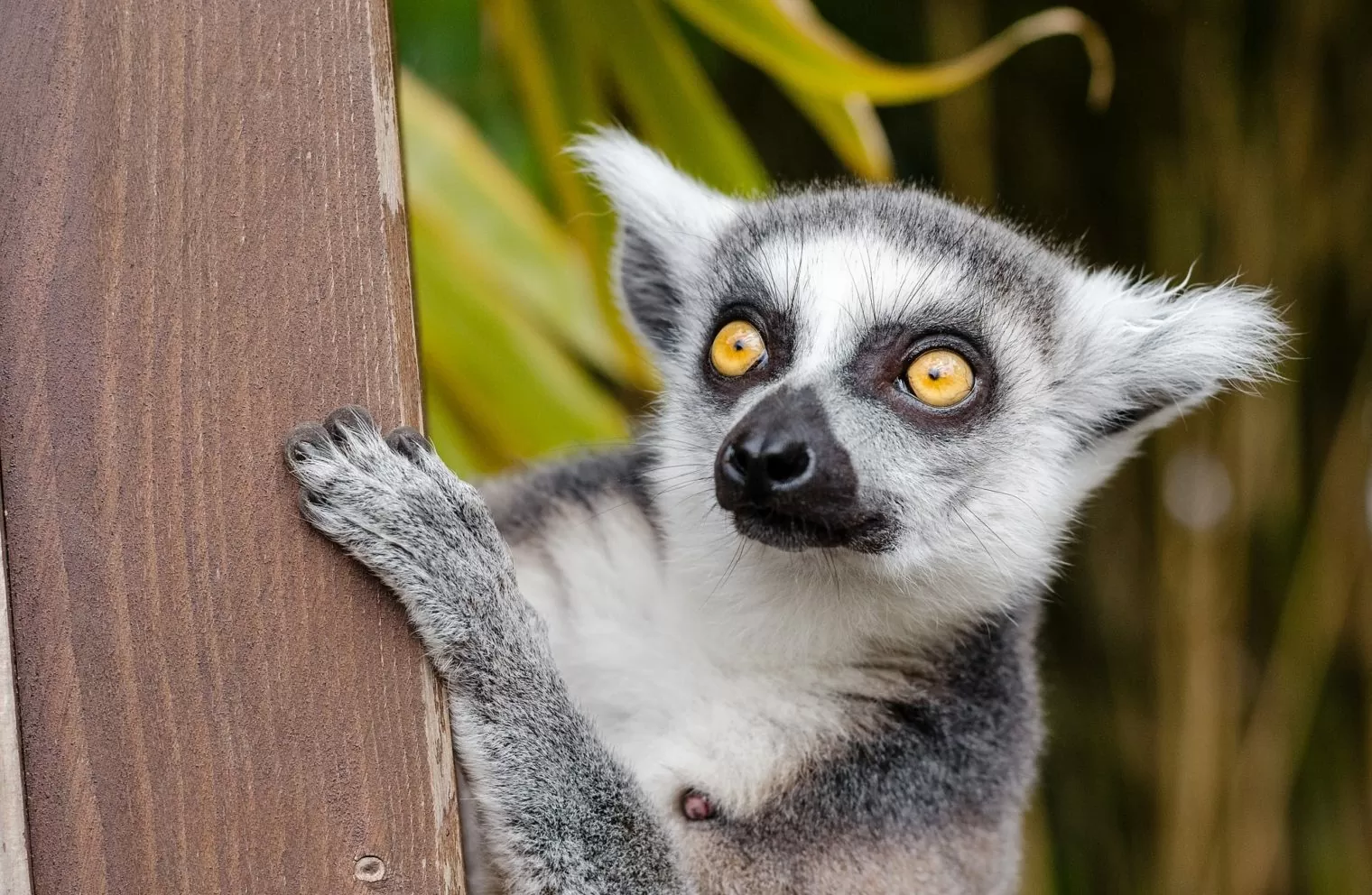
These Madagascar travel tips will help you plan a journey that feels rewarding rather than rushed. The island can completely change the way you think about travel.
Here, a single journey can take you from misty rainforests filled with lemurs to sandstone canyons, enormous baobabs, traditional Highland villages and tropical islands surrounded by turquoise water.
But Madagascar also rewards preparation.
The island is vast, travelling between regions can take longer than expected, road conditions vary considerably and the experience can be very different depending on the season and the part of the country you visit.
That is precisely what makes Madagascar so fascinating.
Rather than trying to see everything at once, the best journeys are usually those that slow down, focus on a region or two and leave enough time to experience the landscapes, wildlife and Malagasy culture along the way.
As a locally based travel specialist, Natura Travel designs private and tailor-made tours in Madagascar around realistic travel times, local conditions and each traveller’s interests.
If you are planning your first trip, here are 21 essential things to know before travelling to Madagascar.
Madagascar Travel Tips at a Glance
Before getting into the details, here are a few useful basics:
- Capital: Antananarivo
- Currency: Malagasy ariary (MGA)
- Main language: Malagasy
- French: widely used in tourism, administration and many urban areas
- Time zone: UTC+3
- Driving side: right
- Typical first trip: around 10 to 15 days
- Best known for: lemurs, baobabs, Tsingy formations, rainforests, beaches, endemic wildlife and Malagasy culture
- Travel style: nature, wildlife, adventure, culture, trekking, road trips and beach extensions
Now let us look at what really matters when planning your trip.
1. Madagascar Is Much Bigger Than It Looks on a Map
One of the most common mistakes first-time visitors make is underestimating the size of Madagascar.
The island stretches for more than 1,500 kilometres from north to south, and destinations that appear relatively close on a map may be separated by mountains, rivers, difficult roads or long stretches through rural areas.
This means that a 250-kilometre journey cannot automatically be compared with a 250-kilometre journey in Europe or North America.
Sometimes travelling between two destinations takes most of the day.
Trying to combine Nosy Be, Sainte-Marie, the Tsingy de Bemaraha, Isalo and Andasibe in a short holiday may look exciting on paper, but in reality it can turn the journey into a succession of transfers.
For most travellers, seeing less often means experiencing more.
A well-designed first trip usually focuses on one main route, perhaps with a beach extension at the end.
You can compare the different possibilities in our collection of Madagascar tours and private itineraries.
2. Choose Your Region Before Choosing Your Hotels
Madagascar is not one single type of destination.
Different parts of the island offer completely different experiences.
Eastern Madagascar
The east is green, tropical and particularly interesting for rainforest and wildlife.
Andasibe is one of the most accessible places to search for the indri, Madagascar’s largest living lemur. Further east, the Pangalanes Canal leads through lakes and tropical landscapes towards the coast and Sainte-Marie.
Our East Madagascar tour combines Andasibe, the Pangalanes Canal, Ankanin’ny Nofy and Sainte-Marie.
Southern Madagascar
The famous RN7 route offers one of the island’s greatest landscape contrasts.
Travellers cross the Central Highlands before reaching rainforest, traditional towns, rocky landscapes, Isalo National Park and finally the dry southwest and beaches around Ifaty.
The Southern Madagascar tour is an excellent introduction for travellers who want wildlife, culture, landscapes and a road-trip experience.
Western Madagascar
Western Madagascar is for travellers dreaming of baobabs, remote landscapes and the extraordinary limestone formations of the Tsingy de Bemaraha.
The West Madagascar tour combines the Tsiribihina River, Tsingy de Bemaraha, Kirindy and the famous Avenue of the Baobabs.
Northern Madagascar
The north combines tropical forest, dramatic coastlines, limestone formations and islands.
Amber Mountain and Ankarana can be combined with Antsiranana before continuing towards Nosy Be.
For travellers looking for nature followed by tropical beaches, our Northern Madagascar and Nosy Be tour offers this combination.
There is no universally « best » region. The best region is the one that matches your interests, travel dates and available time.
3. The Best Time to Visit Madagascar Depends on What You Want to Do
You will often read that there is one « best season » for Madagascar.
The reality is more interesting.
Climate varies substantially between the humid east, dry southwest, cooler Central Highlands, west and tropical north.
For many travellers, April to November offers excellent conditions for exploring large parts of the country, particularly for national parks, trekking and road journeys.
But the ideal month depends on your priorities.
Someone travelling primarily to see humpback whales may choose a different month from someone hoping to explore the Tsingy de Bemaraha.
Likewise, a beach holiday in Nosy Be and a trekking journey in the Highlands do not have exactly the same weather requirements.
Before deciding when to travel, read our detailed month-by-month guide to the best time to visit Madagascar.
4. Road Travel Is Part of the Madagascar Experience
Road conditions are one of the biggest differences between travelling in Madagascar and travelling in more developed tourism destinations.
Some national roads are relatively straightforward. Others may include damaged surfaces, potholes, rough sections or tracks whose condition changes with the weather.
This is why calculating travel time from kilometres alone can be misleading.
But road journeys are not simply time spent moving between attractions.
They are part of the experience.
From your vehicle you may see terraced rice fields, zebu carts, brick-making villages, roadside markets, mountain landscapes, traditional houses and the gradual transformation of vegetation as you move from one ecological region to another.
For many visitors, these unplanned scenes become some of their strongest memories of Madagascar.
Leave room in the itinerary for them.
5. Avoid Trying to Travel Everywhere by Yourself
Independent travel is possible in Madagascar, particularly for experienced travellers.
However, the country is not always an easy destination to improvise day by day.
Public transport can be slow and unpredictable, while remote parks may require local guides, transfers or advance organisation.
For long itineraries, travelling with a reliable local driver can make a considerable difference. A local driver understands road conditions, realistic journey times and where appropriate stops can be made.
If you are considering travelling alone, our separate guide explains how to approach solo travel in Madagascar with realistic expectations.
6. Domestic Flights Are Useful, but Leave Some Flexibility
Domestic flights can considerably reduce travel times when combining distant regions.
Depending on available schedules, air connections may help travellers reach destinations such as Nosy Be, Antsiranana, Toliara, Morondava, Mahajanga or Sainte-Marie.
However, schedules can change.
If your itinerary contains a domestic flight followed immediately by an important international connection, allow a sensible margin rather than designing the journey around extremely tight timings.
A little flexibility can prevent a minor schedule change from becoming a major problem.
7. Madagascar’s Wildlife Changes From Region to Region
Madagascar is one of the world’s great wildlife destinations, but there is no single place where you can see everything.
Rainforest species differ from those found in dry deciduous forest, spiny forest or coastal habitats.
Andasibe is famous for the indri.
Ranomafana offers a completely different rainforest environment.
Anja Reserve is well known for ring-tailed lemurs.
Kirindy is particularly interesting for dry-forest wildlife.
Madagascar is also home to chameleons, geckos, frogs, endemic birds, unusual insects and the fossa.
Understanding this regional diversity is important when choosing an itinerary.
You can learn more about what makes the island unique in our guide to Madagascar’s biodiversity.
8. Do Not Expect Wildlife Sightings to Be Guaranteed
Madagascar is not a zoo.
That is part of its appeal.
Wild animals move freely and sightings depend on habitat, season, weather, time of day and sometimes simple luck.
A knowledgeable local guide can make an enormous difference. Guides know animal calls, feeding areas, sleeping sites and subtle signs that most visitors would never notice.
Keep your expectations realistic and enjoy the search itself.
Responsible wildlife encounters should also respect the animals. Avoid touching, feeding, chasing or deliberately disturbing wildlife for photographs.
The best encounter is one in which the animal’s behaviour does not have to change because you are there.
9. Madagascar Is Also an Exceptional Marine Destination
Many people associate Madagascar almost entirely with lemurs and baobabs.
The sea deserves just as much attention.
Madagascar’s coastline includes coral reefs, lagoons, tropical islands, mangroves and rich marine ecosystems.
Nosy Be and the surrounding islands offer opportunities for snorkelling, diving and boat excursions, while Sainte-Marie is particularly famous for seasonal humpback whale migration.
If whale watching is one of the reasons for your trip, see our detailed guide on where and when to go whale watching in Madagascar.
Marine conditions and wildlife seasons vary, so plan these experiences according to both destination and month.
10. Respect for Local Customs Is an Important Part of Travelling Well
Madagascar is culturally diverse.
Traditions can change between regions, ethnic groups, villages and families, so visitors should avoid assuming that one custom represents the entire country.
One concept travellers may encounter is fady.
A fady is a local prohibition or taboo associated with traditions, ancestors or sacred places. It may concern food, clothing, behaviour, access to a particular place or actions that should not be performed at a sacred site.
Visitors are not expected to know every fady before arriving.
What matters is listening.
If a guide, host or community member explains that something should or should not be done, follow their advice respectfully.
For a deeper introduction, read our article about Madagascar’s customs and traditions.
11. A Few Malagasy Words Go a Long Way
Malagasy is the main language used throughout the country, with regional variations.
French is also widely used, particularly in tourism, administration and many urban environments. English is spoken in some hotels and tourism businesses but becomes less common away from established visitor areas.
You do not need to speak Malagasy to visit Madagascar.
However, learning a few words is appreciated.
- Salama: Hello
- Misaotra: Thank you
- Azafady: Please / Excuse me
- Veloma: Goodbye
Even a simple greeting can change the tone of an interaction.
12. Malagasy Food Should Be Part of the Journey
Do not treat meals simply as breaks between activities.
Food is one of the easiest ways to discover everyday Malagasy life.
Rice has a central place in many meals and is accompanied by vegetables, meat, fish or broth depending on region and household.
Among the dishes travellers may encounter are romazava, ravitoto, grilled fish, coconut-based dishes, mofo gasy and koba.
Coastal cuisine naturally includes more seafood and coconut, while the Highlands have their own culinary traditions.
If you are curious about what to eat during your journey, discover our guide to 10 traditional Malagasy dishes to try in Madagascar.
Drink bottled or properly treated water and use normal travel precautions when choosing where to eat.
13. Cash Is Still Very Important
The local currency is the Malagasy ariary (MGA).
Cards may be accepted at some larger hotels, restaurants and tourism businesses, particularly in major destinations. However, Madagascar remains a country where cash is extremely useful.
Smaller restaurants, local shops, markets, guides and rural businesses may operate mainly or exclusively with cash.
ATMs are easier to find in larger towns and tourism centres than in remote areas.
A few practical habits help:
- withdraw cash before travelling into isolated regions;
- keep smaller denominations for everyday purchases;
- avoid carrying all your money in one place;
- keep emergency cash separate from your main wallet;
- ask your bank about overseas withdrawal charges before travelling.
Do not rely on being able to pay by card everywhere.
14. Internet Access May Disappear, and That Can Be a Good Thing
Mobile internet is available across many populated parts of Madagascar, and hotels commonly provide Wi-Fi.
But reliability varies.
When travelling between towns, inside national parks or through remote regions, you may spend hours without a strong connection.
Download important information before leaving major towns:
- hotel details;
- travel documents;
- tickets;
- offline maps;
- emergency contacts;
- copies of your passport and insurance details.
A portable battery is also extremely useful during long road journeys.
And if your phone stops receiving notifications for a few hours while you are surrounded by rainforest, baobabs or mountains, consider it part of the experience.
15. Pack for Several Climates, Not Just the Tropics
Madagascar is a tropical destination, but that does not mean every day is hot.
Conditions in Antananarivo and the Central Highlands can feel surprisingly cool, particularly during the southern winter and in the early morning or evening.
At the same time, coastal regions may be warm and humid.
A practical packing list should normally include:
- lightweight and breathable clothing;
- long trousers for forest walks;
- a warm layer for the Highlands;
- lightweight rain protection;
- comfortable closed walking shoes;
- sandals or lighter footwear;
- a hat;
- sunglasses;
- high-protection sunscreen;
- insect repellent;
- a reusable water bottle;
- a small torch or headlamp;
- a portable battery;
- a small personal first-aid kit;
- a waterproof bag or cover for electronics.
If your journey includes trekking, choose equipment according to the actual trail rather than simply packing for a conventional beach holiday.
Our Madagascar Adventure Tour, for example, combines rainforest exploration with trekking in Andringitra and Isalo, so footwear and clothing need to suit several environments.
16. Check Health Requirements Before You Travel
Health advice depends on your itinerary, medical history, trip duration and country of origin.
Consult a qualified doctor or travel-health professional well before departure.
Bring enough of any personal prescription medication for your entire trip, ideally in its original packaging.
Because many of Madagascar’s most interesting places are far from major medical centres, comprehensive travel insurance is strongly recommended. Check that your policy covers:
- medical treatment;
- emergency evacuation;
- hiking or trekking if applicable;
- water activities if applicable;
- domestic flights;
- cancellation and interruption.
Health recommendations can change, so use current official guidance rather than relying solely on an old travel article.
17. Check Visa and Entry Requirements Shortly Before Departure
Visa, passport and entry requirements can change and may depend on nationality and length of stay.
This is one subject where old blog articles can quickly become inaccurate.
Before travelling, verify current information through the appropriate Malagasy authorities, embassy or consulate and your airline.
Check again shortly before departure.
You should also keep electronic and paper copies of essential documents such as:
- passport;
- travel insurance;
- flight confirmations;
- accommodation details;
- emergency contacts.
Avoid relying exclusively on information saved online.
18. Patience Is One of the Most Useful Things You Can Pack
Madagascar is not a destination where every day needs to run to the minute.
A journey may take longer than expected.
Weather may change.
A flight schedule may move.
A road may be slower than usual.
This can frustrate travellers who arrive with an extremely rigid itinerary.
It can also become part of what makes Madagascar memorable.
Build enough space into your programme that an unexpected delay does not destroy the rest of your holiday.
Travelling more slowly also gives you time to stop at a market, talk to a guide, photograph a landscape or simply watch daily life unfold.
Madagascar rewards curiosity more than speed.
19. Travel Responsibly and Support the Local Economy
Tourism can have a meaningful impact when the money travellers spend reaches local communities.
Whenever possible:
- use local guides;
- choose locally operated accommodation;
- eat in local restaurants;
- purchase genuine local crafts;
- respect protected areas;
- reduce unnecessary plastic;
- avoid buying products made from endangered wildlife;
- ask permission before photographing people.
Photography deserves particular attention.
A market, village or craft workshop is not simply scenery. People should be treated as people, not photo opportunities.
A smile and a polite request can make an enormous difference.
20. Nosy Be and Sainte-Marie Are More Than Beach Extensions
Madagascar’s islands are sometimes added to an itinerary simply as places to spend three days on the beach.
They deserve more attention than that.
Nosy Be
Nosy Be offers tropical beaches, neighbouring islands, marine activities, landscapes, plantations and access to a very different side of northern Madagascar.
Our Nosy Be Madagascar travel guide explores the destination in more detail.
Sainte-Marie
Sainte-Marie, also known as Nosy Boraha, offers a quieter island atmosphere on Madagascar’s east coast, together with beaches, history and seasonal whale watching.
Read our guide to Sainte-Marie Island if you are considering adding it to your journey.
Choosing between Nosy Be and Sainte-Marie often comes down to season, itinerary and the type of island experience you want.
21. The Best Madagascar Itinerary Is a Realistic One
The final and perhaps most important Madagascar travel tip is simple:
do not build your itinerary around the maximum number of places you can fit into it.
Build it around the experiences you want to remember.
If wildlife is your priority, allow proper time in the forests.
If you love trekking, spend longer in places such as Andringitra or Isalo.
If photography is important, avoid schedules that force you to arrive and leave destinations in the middle of the day.
If you want both adventure and relaxation, finish your trip with a few days on the coast rather than adding another long transfer.
Madagascar is particularly well suited to tailor-made travel because routes can be adapted around wildlife, trekking, culture, beaches, photography and available time.
You can explore our private Madagascar tours for ideas before designing your own journey.
How Many Days Do You Need in Madagascar?
For a first trip, around 10 to 15 days is a useful starting point for exploring one main region without rushing.
Two weeks can work particularly well for a classic road itinerary.
With three weeks, it becomes easier to travel more slowly or combine different regions.
The important thing is not simply the number of days but how much travelling you try to fit into them.
Ten well-planned days can be more enjoyable than three weeks spent constantly moving.
Is Madagascar Suitable for First-Time Visitors to Africa?
Yes, provided you arrive with realistic expectations.
Madagascar is geographically and culturally distinct from mainland Africa, so it should be approached as its own destination.
Travellers who appreciate wildlife, outdoor experiences, local culture and a sense of adventure often find it particularly rewarding.
The journey becomes considerably easier when accommodation, drivers, park visits and major transfers have been organised in advance.
Is Madagascar Good for Solo Travel?
Yes.
Solo travellers can explore Madagascar successfully, but a completely improvised journey is not necessarily the easiest approach because of the distances and transport logistics involved.
Many solo visitors combine independent time with organised transfers, drivers and guided visits to national parks.
For more practical advice, read our complete solo travel guide to Madagascar.
What Should You Not Miss on a First Trip to Madagascar?
There is no single answer because Madagascar offers very different experiences.
For wildlife lovers, Andasibe or Ranomafana may be priorities.
For spectacular landscapes, consider Isalo, Andringitra, the Tsingy de Bemaraha or the Avenue of the Baobabs.
For tropical islands and marine activities, Nosy Be and Sainte-Marie are among the best-known destinations.
The key is to choose a route where the destinations naturally fit together rather than selecting isolated highlights scattered around the country.
What Is the Biggest Mistake Travellers Make in Madagascar?
Trying to do too much.
Madagascar looks manageable on a map, but the island’s size and travel conditions mean an overloaded itinerary can quickly become exhausting.
Choose your priorities, allow time for the journey itself and leave some flexibility.
You will probably see fewer places.
You will almost certainly experience them better.
Plan Your Madagascar Journey With Local Experts
Madagascar is not a destination that needs to be rushed.
It is a country to experience slowly, from the sound of indris calling through the rainforest to the first sight of the Tsingy, a sunset among baobabs, a conversation beside a village road or a quiet morning overlooking the Indian Ocean.
The right itinerary depends on when you travel, how much time you have and what you most want to experience.
Natura Travel is based in Madagascar and creates private journeys adapted to individual travel dates, interests and preferred pace.
Explore our Madagascar tours and tailor-made itineraries and start building a journey that allows you to discover Madagascar rather than simply pass through it.