Madagascar Wildlife & Nature
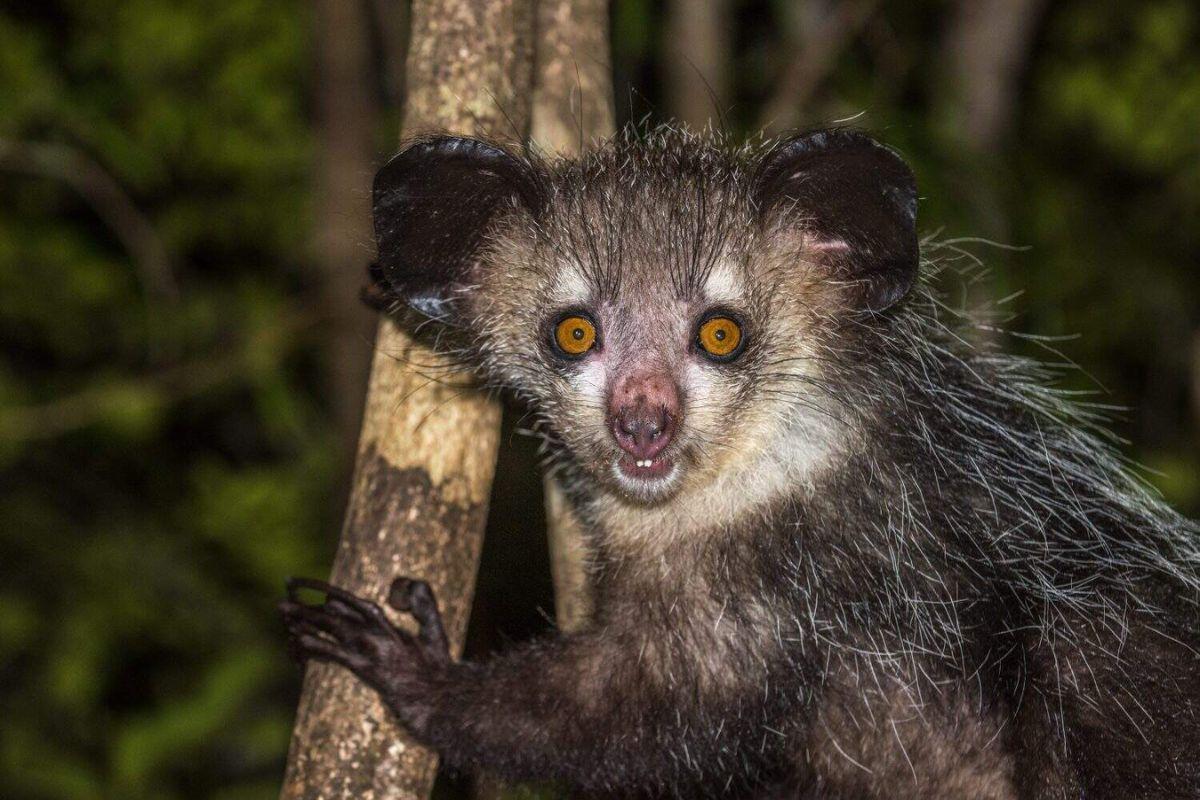
Enter a world of lemurs, ancient forests, colourful chameleons, extraordinary baobabs and landscapes found nowhere else. Madagascar is a destination where every region reveals a different side of nature, from the rainforests of the east to the dry forests of the west and the remarkable spiny landscapes of the south.
For travellers who love wildlife and the outdoors, exploring Madagascar is not simply about seeing animals. It is about walking through their natural habitats, listening to the call of an indri at sunrise, searching the forest for a perfectly camouflaged gecko, standing beneath giant baobabs and discovering how dramatically the environment changes from one part of the island to another.
Whether wildlife is the main reason for your journey or one part of a wider Madagascar adventure, the island offers countless opportunities to experience nature at close range.
Explore Madagascar’s Wildlife & Nature
- Why Madagascar is an extraordinary wildlife destination
- Madagascar’s remarkable wildlife
- Lemurs of Madagascar
- Chameleons, geckos and frogs
- The fossa and other wildlife
- Madagascar’s extraordinary flora
- Where to see wildlife in Madagascar
- Marine wildlife and whales
- Best time for wildlife watching
- Responsible wildlife experiences
- Wildlife tours in Madagascar
- More nature experiences
- Frequently asked questions
Why Madagascar Is an Extraordinary Wildlife Destination
Madagascar’s long geographic isolation has created one of the most distinctive natural environments on Earth. The island is famous for its exceptionally high level of endemism, meaning that many of its plants and animals occur naturally nowhere else.
Lemurs may be Madagascar’s most famous wildlife ambassadors, but they are only the beginning. Travellers can also search for chameleons, leaf-tailed geckos, frogs, endemic birds, unusual insects and the elusive fossa, while exploring ecosystems that range from humid rainforest to dry deciduous forest, limestone formations, mountains, rivers and southern spiny forest.
This diversity means that there is no single “Madagascar wildlife experience”. Travelling from one region to another often feels like entering an entirely different natural world.
If you would like to learn more about why the island is so biologically exceptional, read our guide to Madagascar’s unique biodiversity .
Meet Madagascar’s Remarkable Wildlife
Wildlife watching in Madagascar is often less about traditional safari-style drives and more about exploration on foot. Forest walks with local guides reveal animals hidden among leaves, branches and tree trunks, while early mornings and night walks can offer very different encounters.
Part of the excitement comes from slowing down and learning where to look. A movement high in the canopy might reveal a lemur, while what appears to be a dry leaf may suddenly turn out to be a perfectly camouflaged gecko.
Lemurs: Madagascar’s Most Iconic Animals
For many travellers, seeing lemurs in the wild is one of the defining moments of a journey through Madagascar. Different species live in different habitats and regions, which makes visiting several protected areas especially rewarding.
Indri
One of Madagascar’s most unforgettable animals is the indri (Indri indri), the largest living lemur. Its powerful territorial calls can travel through the rainforest and are one of the characteristic sounds of the forests around Andasibe.
Hearing indri families calling through the forest in the early morning can be just as memorable as seeing the animals themselves.
Andasibe is included in our East Madagascar Tour , which combines rainforest wildlife with the Pangalanes Canal, Ankanin’ny Nofy and Sainte-Marie.
Ring-Tailed Lemur
The ring-tailed lemur (Lemur catta) is one of Madagascar’s most recognisable animals, with its long black-and-white striped tail and highly social behaviour.
One of the places where travellers may observe ring-tailed lemurs is Anja Community Reserve near Ambalavao. Here, the combination of lemurs, vegetation and dramatic granite formations creates a very different atmosphere from Madagascar’s eastern rainforests.
Anja can be experienced on our Southern Madagascar Tour , alongside Ranomafana National Park, Isalo and the landscapes of the RN7.
Golden Bamboo Lemur
Ranomafana National Park is closely associated with the golden bamboo lemur (Hapalemur aureus). This rainforest specialist is one of several lemur species that make Ranomafana an important destination for wildlife enthusiasts.
The park can be included as part of our Madagascar Adventure Tour , combining rainforest wildlife with trekking in Andringitra and the extraordinary landscapes of Isalo.
Verreaux’s Sifaka
Another charismatic lemur of southern and western Madagascar is Verreaux’s sifaka (Propithecus verreauxi). Sifakas are especially famous for their powerful leaps between trees and their distinctive sideways movement when crossing open ground.
Observing different lemur species across several habitats is one of the reasons a multi-region itinerary can be so rewarding. Madagascar does not have one single “best lemur park”; each protected area reveals different species, landscapes and behaviours.
Chameleons, Geckos and Frogs: Look a Little Closer
Some of Madagascar’s most fascinating creatures are much smaller than its lemurs. Reptiles and amphibians add another dimension to forest walks, and finding them often depends on the sharp eyes of an experienced local guide.
Parson’s Chameleon
The impressive Parson’s chameleon (Calumma parsonii) is one of Madagascar’s best-known chameleons. Its large size and striking appearance make an encounter particularly memorable.
Panther Chameleon
The colourful panther chameleon (Furcifer pardalis) is another iconic Malagasy reptile. Colour patterns can vary considerably between populations, and the species is particularly associated with northern and eastern parts of Madagascar.
Satanic Leaf-Tailed Gecko
Few examples of natural camouflage are as spectacular as the satanic leaf-tailed gecko (Uroplatus phantasticus). Its flattened body, irregular edges and leaf-like tail help it blend almost perfectly into the forest floor and vegetation.
Finding one can feel less like ordinary wildlife watching and more like discovering a secret hidden in plain sight.
Tomato Frog
Madagascar is also home to remarkable amphibians, including the vividly coloured tomato frog (Dyscophus antongilii). Its intense red-orange colour makes it one of the island’s most distinctive frogs.
Reptiles and amphibians are especially rewarding subjects for travellers who enjoy photography, macro wildlife and slower forest exploration.
The Fossa: Madagascar’s Elusive Predator
Madagascar’s largest native carnivorous mammal is the fossa (Cryptoprocta ferox). Agile, muscular and adapted to life both on the ground and in the trees, the fossa is one of the island’s most fascinating predators.
Kirindy Forest in western Madagascar is one of the locations most closely associated with fossa observation, particularly at certain times of year. However, the fossa is a wild and elusive animal, and sightings should never be considered guaranteed.
Our West Madagascar Tour includes Kirindy Forest as part of a journey combining wildlife, the Tsiribihina River, Tsingy de Bemaraha and the Avenue of the Baobabs.
A Fascinating Destination for Birdlife
Madagascar is also a rewarding destination for bird enthusiasts. Forests, wetlands, dry landscapes and coastal environments support a remarkable variety of birdlife, including many species and families closely associated with Madagascar and the surrounding region.
Serious birdwatchers can build an itinerary around specific habitats, while other travellers often discover endemic birds naturally during guided walks in national parks such as Andasibe, Ranomafana, Ankarafantsika and the protected areas of northern Madagascar.
Birdwatching works particularly well as part of a broader wildlife itinerary rather than as a separate experience, unless you have specific target species you would like to search for.
Madagascar’s Extraordinary Flora
Madagascar’s animals are only one part of its natural story. The island’s vegetation can be just as extraordinary, and the dramatic changes in plant life from region to region are one of the great pleasures of travelling across the country.
Madagascar’s Baobabs
Few plants are as closely associated with Madagascar as the baobab. The island is home to several endemic species, including the spectacular Grandidier’s baobab (Adansonia grandidieri), one of the species that creates the famous scenery around Morondava.
Another Malagasy baobab is the Za baobab (Adansonia za), which occurs across parts of western and southern Madagascar.
Seeing these enormous trees at sunrise or sunset is not simply a photographic experience. Their unusual silhouettes have become one of the defining images of Madagascar’s western landscapes.
You can combine baobabs with Tsingy de Bemaraha and Kirindy Forest on our West Madagascar Tour .
The Traveller’s Tree
The distinctive traveller’s tree (Ravenala madagascariensis) is another plant strongly associated with Madagascar. Its enormous fan-shaped leaves are especially characteristic of tropical landscapes in wetter parts of the island.
Madagascar’s Spiny Forest
In the dry south and southwest, the landscape changes dramatically. Here, plants have adapted to harsh, arid conditions, creating the extraordinary spiny thickets and forests for which southern Madagascar is famous.
Species such as Didierea madagascariensis contribute to landscapes that can appear almost otherworldly. Experiencing this habitat after exploring the humid forests of Ranomafana demonstrates just how diverse Madagascar really is.
Madagascar’s Orchids
The island is also famous for orchids, including the remarkable Darwin’s orchid (Angraecum sesquipedale), known for the exceptionally long nectar spur of its flowers.
Flowers are seasonal, so botanical experiences change considerably depending on where and when you travel.
Where to Experience Wildlife and Nature in Madagascar
Madagascar is a large island, and wildlife changes significantly from one region to another. Choosing the right destinations therefore depends on the habitats, animals and landscapes you most want to see.
Andasibe-Mantadia: Rainforest and Indri
Andasibe is one of Madagascar’s most accessible and rewarding rainforest destinations. It is particularly famous for the indri (Indri indri), but guided forest walks may also reveal other lemurs, chameleons, frogs, birds and tropical vegetation.
The sounds of the forest are an important part of the experience. Hearing the morning calls of the indri echo through the trees is one of Madagascar’s most memorable natural encounters.
Discover Andasibe as part of our 12-Day East Madagascar Tour .
Ranomafana: A World of Tropical Rainforest
Ranomafana National Park protects a lush rainforest environment of hills, streams, bamboo and dense vegetation. It is one of Madagascar’s classic wildlife destinations and is particularly rewarding for travellers interested in lemurs, reptiles, amphibians and forest birds.
Ranomafana can be experienced on both our Southern Madagascar Tour and our Madagascar Adventure Tour .
Anja Community Reserve: Lemurs and Granite Landscapes
Near Ambalavao, Anja offers the opportunity to search for ring-tailed lemurs (Lemur catta) in a striking landscape of granite formations, vegetation and local community-managed habitat.
It creates an excellent contrast with Ranomafana and fits naturally into a journey along Madagascar’s famous RN7.
Kirindy and Western Madagascar: Dry Forest and Baobabs
Western Madagascar reveals another side of the island. Kirindy’s dry deciduous forest supports lemurs, reptiles, nocturnal wildlife and the elusive fossa (Cryptoprocta ferox).
From the forest, the journey can continue towards Morondava and the iconic Avenue of the Baobabs before reaching the extraordinary limestone landscapes of Tsingy de Bemaraha.
Learn more about these geological formations in our guide to the Tsingy of Madagascar .
Or explore the whole region on our West Madagascar Tour: Tsingy, Baobabs and Tsiribihina River .
Ankarafantsika: Wildlife of the Dry Forest
Ankarafantsika National Park in northwestern Madagascar offers another fascinating dry-forest environment. It is known for lemurs, endemic birdlife, reptiles and striking landscapes.
The park is included in our North Madagascar Tour , which continues towards Ankarana, Antsiranana and Amber Mountain.
Ankarana and Amber Mountain: Two Contrasting Worlds
Northern Madagascar offers dramatic ecological contrasts. Ankarana combines dry forest with caves, canyons and spectacular limestone Tsingy, while Amber Mountain National Park protects lush montane rainforest rising above the much drier landscapes surrounding Antsiranana.
Travellers wishing to combine northern wildlife with tropical islands can continue to Nosy Be on our Northern Madagascar and Nosy Be Tour .
Isalo and Southern Madagascar
Madagascar’s nature is not limited to forests. Isalo National Park is famous for monumental sandstone formations, deep canyons, grasslands and natural pools.
Combining Isalo with Ranomafana and the southern landscapes allows visitors to experience some of the island’s most dramatic ecological changes within a single journey.
Travellers who enjoy exploring landscapes on foot can also visit our Hiking & Trekking in Madagascar page.
Madagascar’s Wildlife Does Not Stop at the Shore
Madagascar’s extraordinary natural heritage continues beyond its forests and national parks into the Indian Ocean and Mozambique Channel.
One of the most spectacular seasonal encounters is the migration of the humpback whale (Megaptera novaeangliae). Around Sainte-Marie, whales can typically be observed during the main migration season, particularly from July to September.
Responsible boat excursions can offer opportunities to observe these enormous marine mammals while respecting appropriate distances and local wildlife-watching guidelines.
If whale watching is one of the main reasons for your trip, explore our dedicated page about Whale Watching in Madagascar and our complete guide to where and when to see whales in Madagascar .
You can also discover Sainte-Marie as part of our East Madagascar Tour .
When Is the Best Time to See Wildlife in Madagascar?
Wildlife can be experienced throughout the year, but the ideal period depends on the region, the animals you hope to see and the type of journey you are planning.
For many travellers, the drier months from approximately May to October provide particularly favourable conditions for exploring national parks, hiking and travelling between regions.
Late September through early November can be especially interesting for lemur enthusiasts because this period coincides with the birth season of several lemur species. Conditions vary from year to year and between regions, so wildlife observations can never be predicted with complete certainty.
Humpback whale watching follows a different seasonal pattern, with the main season around Sainte-Marie generally occurring from July to September.
For detailed advice by month, rainfall, region and activity, read our complete guide to the best time to visit Madagascar .
Experience Madagascar’s Wildlife Responsibly
The best wildlife experiences are those that respect the animals, their habitats and the communities living around protected areas.
Animals should be observed quietly and from an appropriate distance. They should not be touched, chased or fed simply to obtain a closer photograph. Visitors should always follow the instructions of local guides and protected-area staff.
Local guides are an essential part of wildlife exploration in Madagascar. Their knowledge of the forests, animal behaviour, calls, tracks and seasonal conditions can transform an ordinary forest walk into a fascinating discovery experience.
Supporting locally guided visits and community-managed reserves can also help tourism contribute to local livelihoods and create economic value around the protection of natural habitats.
Above all, remember that these are wild animals living in natural environments. Individual wildlife sightings can never be guaranteed, and that unpredictability is part of what makes a genuine encounter so special.
Choose Your Madagascar Wildlife Journey
Madagascar’s wildlife changes from region to region, so there is no single itinerary that shows everything. The best journey depends on whether you are most interested in rainforest, lemurs, reptiles, baobabs, dry forest, dramatic landscapes or a combination of several environments.
East Madagascar Tour
Explore Andasibe rainforest in search of indri, lemurs, chameleons and endemic wildlife before continuing through the Pangalanes Canal to tropical Sainte-Marie. Explore the East Madagascar Tour
Southern Madagascar Tour
Combine Ranomafana rainforest, ring-tailed lemurs at Anja, the landscapes of Isalo and the dry ecosystems of southern Madagascar. Explore the Southern Madagascar Tour
West Madagascar Tour
Discover Kirindy’s dry forest, the Avenue of the Baobabs, Tsingy de Bemaraha and the remote landscapes of the Tsiribihina River. Explore the West Madagascar Tour
North Madagascar Tour
Explore the dry forest of Ankarafantsika, the limestone landscapes of Ankarana and the lush rainforest of Amber Mountain. Explore the North Madagascar Tour
Looking for more possibilities? Explore all our Madagascar tours and private itineraries .
Combine Wildlife with Other Madagascar Experiences
A wildlife-focused trip does not have to be only about searching for animals. Madagascar makes it possible to combine nature with trekking, tropical islands, rivers, culture and marine experiences.
- Hiking & Trekking in Madagascar – Walk through national parks, mountains, canyons and spectacular natural landscapes.
- Whale Watching in Madagascar – Discover one of Madagascar’s most memorable seasonal marine wildlife experiences.
- Beaches & Islands in Madagascar – Combine wildlife exploration with tropical beaches and island relaxation.
- River & Boat Adventures in Madagascar – Experience the island from its rivers, canals and coastal waters.
- Cultural Experiences in Madagascar – Discover Malagasy communities, traditions and local ways of life alongside the island’s natural heritage.
You can also return to our complete guide to activities in Madagascar to explore all the experiences available during your journey.
Frequently Asked Questions About Madagascar Wildlife
What wildlife can you see in Madagascar?
Madagascar is famous for its lemurs, including the indri (Indri indri), ring-tailed lemur (Lemur catta) and golden bamboo lemur (Hapalemur aureus). Travellers may also encounter chameleons, leaf-tailed geckos, frogs, endemic birds and the fossa (Cryptoprocta ferox). The species you may see depend on the region, habitat, season and local conditions.
Where is the best place to see lemurs in Madagascar?
There is no single best location because different regions are home to different lemur species. Andasibe is particularly famous for the indri (Indri indri), Ranomafana is known for several rainforest lemurs including the golden bamboo lemur (Hapalemur aureus), while Anja Community Reserve offers opportunities to observe ring-tailed lemurs (Lemur catta). Visiting more than one protected area provides a more varied experience.
What is the best time for a wildlife trip to Madagascar?
For many travellers, May to October provides favourable conditions for national parks, wildlife watching and overland travel. September through early November can be particularly interesting for lemur enthusiasts, while humpback whale watching around Sainte-Marie is generally best from July to September. The ideal dates depend on the regions and wildlife experiences you want to prioritise.
Can wildlife sightings in Madagascar be guaranteed?
No. Madagascar’s animals live in natural environments, so sightings depend on the species, weather, season, time of day and local conditions. Experienced local guides can greatly improve your chances of finding wildlife, but responsible wildlife tourism should never guarantee a particular wild animal encounter.
How many days should I plan for a wildlife trip to Madagascar?
Around 10 to 15 days is a useful starting point for a first Madagascar journey because it allows time to experience several destinations without spending the entire trip in transit. Travellers with more time can combine contrasting ecosystems such as eastern rainforest, southern national parks, western dry forest or northern Madagascar.
Do I need a guide to visit Madagascar’s national parks?
Guided visits are an important part of exploring Madagascar’s protected areas. Local guides help visitors follow park routes, understand the ecosystem and locate animals that would otherwise be extremely difficult to spot. Their knowledge is particularly valuable for identifying lemurs, reptiles, amphibians, birds and nocturnal wildlife.
Ready to Discover Madagascar’s Wild Side?
Tell us what inspires you most: lemurs calling through the rainforest, colourful chameleons, endemic birds, ancient baobabs, the elusive fossa, dramatic national parks or a combination of Madagascar’s most extraordinary natural environments.
Natura Travel creates private and tailor-made journeys around your interests, travel dates and preferred pace, allowing you to experience Madagascar’s wildlife as part of a journey designed especially for you.
Or discover all our activities and experiences in Madagascar .