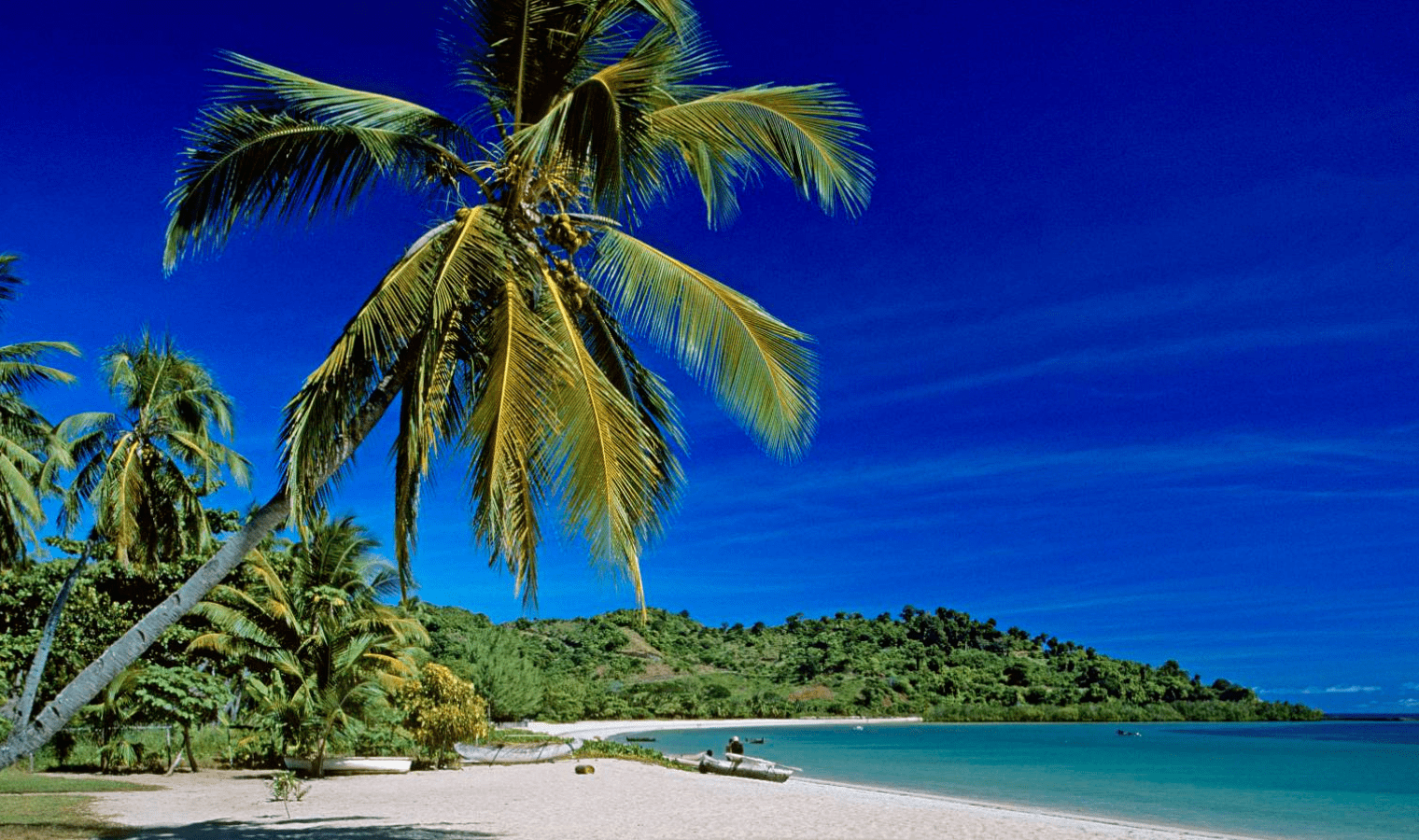
Nosy Be is one of Madagascar’s most famous island destinations, but there is much more to discover here than white-sand beaches and turquoise waters.
Located off the northwest coast of Madagascar, Nosy Be combines tropical landscapes, marine life, protected forests, local culture and easy access to some of the most beautiful islands in the region.
From snorkeling around Nosy Tanikely and discovering lemurs in Lokobe to watching the sunset from Mont Passot or exploring nearby Nosy Komba and Nosy Iranja, the island offers a remarkable variety of experiences.
Nosy Be is also an excellent addition to a wider journey through northern Madagascar. Travellers can combine the island with Antsiranana, Amber Mountain National Park and the spectacular limestone landscapes of Ankarana before ending their trip beside the Indian Ocean.
If you would like to experience both northern Madagascar and the islands around Nosy Be, discover our Northern Madagascar and Nosy Be Tour.
Here is everything you need to know before visiting Nosy Be.
Where Is Nosy Be?
Nosy Be lies off the northwest coast of Madagascar, in the Mozambique Channel. It belongs to the Diana Region in northern Madagascar and has numerous smaller islands and islets around it.
The name « Nosy Be » means « Big Island » in Malagasy.
The island is also sometimes called the Perfume Island, a nickname linked to the aromatic crops traditionally grown in the region, particularly ylang-ylang, as well as vanilla, coffee and other tropical plants.
Nosy Be is one of Madagascar’s most developed tourism destinations. It offers a wide choice of accommodation, restaurants and activities while still providing access to forests, marine ecosystems and smaller islands.
However, one of the greatest attractions of Nosy Be is that the experience does not stop at the main island. It is also the gateway to an entire archipelago.
Why Visit Nosy Be?
For many travellers, Nosy Be offers one of Madagascar’s best combinations of relaxation, wildlife and exploration.
You can spend one day walking through tropical forest in search of lemurs and chameleons, another snorkeling over coral reefs, and the next discovering a small island surrounded by white sand and clear water.
Nosy Be is particularly suitable for travellers interested in:
- tropical beaches and island life
- snorkeling and diving
- lemurs and wildlife
- marine biodiversity
- local markets and culture
- boat excursions
- romantic journeys and honeymoons
- combining adventure with several days of relaxation
It is also a natural final stop after a more active journey through northern Madagascar.
Best Things to Do in Nosy Be
Nosy Be is compact enough to explore without spending entire days on the road, yet varied enough to fill several days.
1. Explore Lokobe Natural Reserve
Lokobe is one of the most important natural areas on Nosy Be.
The reserve protects one of the last remaining areas of primary forest on the island and provides habitat for lemurs, reptiles, chameleons, frogs, insects and numerous bird species.
Visiting Lokobe offers a completely different experience from Nosy Be’s beaches.
Inside the reserve, dense tropical vegetation creates an environment where wildlife observation becomes the main activity. Exploring with a local guide is particularly valuable because many species are difficult to identify or locate without experienced eyes.
For travellers interested in Madagascar’s exceptional biodiversity, Lokobe is one of the most rewarding excursions on the island.
2. Watch the Sunset From Mont Passot
Mont Passot is one of the best-known viewpoints on Nosy Be.
From the top, travellers can enjoy panoramic views across the island, its volcanic lakes and the Mozambique Channel.
Late afternoon is an especially popular time to visit because the elevated position offers beautiful views as the sun disappears over the western horizon.
Rather than arriving just before sunset, allow enough time to enjoy the landscape and surrounding viewpoints.
3. Discover Hell-Ville
Hell-Ville, officially known as Andoany, is the main town on Nosy Be.
It offers an interesting contrast with the beaches and resort areas of the island.
Markets, shops, restaurants, port activity and everyday local life make it a worthwhile stop during your stay.
The local market is also a good place to discover tropical fruits, spices, seafood and products commonly used in Malagasy cooking.
If you are curious about the country’s cuisine, you can also read our guide to traditional Malagasy dishes.
4. Discover Nosy Be’s Ylang-Ylang Heritage
Nosy Be’s nickname, the Perfume Island, is closely connected to the aromatic plants grown here.
Ylang-ylang is particularly associated with the island. Producers distil its intensely fragrant flowers into an essential oil used in perfumery.
Visiting a plantation or distillery can add another dimension to a stay in Nosy Be, allowing travellers to learn about part of the island’s agricultural heritage rather than seeing only its coastline.
Vanilla, cocoa, coffee and other tropical crops are also grown in northern Madagascar.
Discover the Islands Around Nosy Be
One of the biggest mistakes when visiting Nosy Be is spending the entire stay on the main island.
Some of the most memorable experiences are found on the islands surrounding it.
Nosy Komba
Nosy Komba is one of the best-known excursions from Nosy Be.
Often associated with lemurs, the island combines tropical vegetation, villages, handicrafts and beautiful coastal scenery.
Visitors can discover local communities, embroidered products and traditional wood carving while also enjoying beaches and natural landscapes.
Nosy Komba is often combined with Nosy Tanikely during a full-day excursion.
Nosy Tanikely
This small island is one of the best places near Nosy Be for snorkeling.
The island and surrounding waters form a protected marine area, with coral reefs that support a remarkable variety of tropical fish and other marine species.
Visitors may also spot sea turtles in the surrounding waters.
The clear, relatively shallow water makes Nosy Tanikely particularly attractive even for travellers who are not experienced divers.
A lighthouse overlooks the island and offers another reason to leave the beach and explore on foot.
Nosy Iranja
Nosy Iranja is famous for its spectacular coastal scenery.
The destination consists of two islands connected by a long strip of white sand that appears and changes according to the tides.
Turquoise waters, tropical vegetation and the sandbank have made Nosy Iranja one of the most photographed places in the Nosy Be region.
It is farther from the main island than Nosy Komba or Nosy Tanikely, so the excursion requires more travel time.
For travellers primarily interested in beaches and beautiful scenery, however, Nosy Iranja is often one of the highlights of a stay.
Nosy Sakatia
Nosy Sakatia offers a quieter atmosphere and is another attractive destination for swimming, snorkeling and enjoying the marine environment.
It can be a good alternative for travellers looking for a more relaxed island excursion.
The Mitsio Archipelago
Travellers with more time can also explore the Mitsio Islands farther north.
This more remote archipelago is known for dramatic coastal scenery, marine activities and isolated beaches.
It is better suited to visitors who have enough time to explore beyond the most common Nosy Be excursions.
What Are the Best Beaches in Nosy Be?
Nosy Be and its surrounding islands offer several different types of beaches.
On the main island, Andilana Beach is one of the best-known. Its sandy coastline and calm setting make it popular for swimming and relaxing.
Other areas around Nosy Be offer quieter environments, particularly away from the island’s main tourism centres.
However, travellers interested primarily in beaches should also explore the surrounding islands.
Nosy Iranja, Nosy Sakatia, Nosy Komba and other islands provide very different coastal landscapes and can make a stay in Nosy Be feel much more varied.
Wildlife in Nosy Be
Madagascar is famous worldwide for species found nowhere else on Earth, and Nosy Be allows travellers to experience both terrestrial and marine ecosystems.
In Lokobe, visitors can look for lemurs, chameleons, reptiles, frogs and tropical birds.
On surrounding islands and reefs, the focus shifts underwater, with coral reefs, tropical fish and sea turtles among the main attractions.
This makes Nosy Be particularly interesting for travellers who want to combine wildlife observation with a beach holiday.
Rather than treating the island only as a seaside extension, allow enough time for both forest and marine excursions.
Whale Watching and Marine Life Around Nosy Be
Madagascar is an important destination for seasonal marine wildlife.
Different parts of the country offer different observation opportunities depending on the period of the year.
Nosy Be and the surrounding waters can offer encounters with large marine species at certain times, while Sainte-Marie on Madagascar’s east coast is particularly well known for humpback whale watching.
If marine wildlife is one of the main reasons for your trip, read our detailed guide to whale watching in Madagascar.
No operator can guarantee wildlife sightings, so choose responsible operators and respect recommended observation distances.
When Is the Best Time to Visit Nosy Be?
Nosy Be can be visited throughout much of the year, but April to November is generally one of the most favourable periods for exploring northern Madagascar and enjoying beach activities.
For many travellers, the months from May to October offer a good combination of drier weather, outdoor activities and island excursions.
However, the best period depends on what you want to experience.
Beach travellers, divers and wildlife enthusiasts may have different priorities.
Madagascar also has several distinct climate zones, so the ideal period for Nosy Be is not necessarily identical to the best period for every other region of the country.
If you are planning a longer itinerary, read our month-by-month guide to the best time to visit Madagascar.
How to Get to Nosy Be
There are two main ways to reach Nosy Be: by air or by travelling through northern Madagascar and continuing by boat.
Flying to Nosy Be
Fascene Airport serves Nosy Be.
Flying is generally the simplest solution for travellers who want to reach the island quickly or add it to another Madagascar itinerary.
Flight schedules can change, however, so it is wise to avoid very tight connections when planning a trip.
Reaching Nosy Be by Road and Boat
Travellers exploring northern Madagascar can continue overland toward Ankify before crossing to Nosy Be by boat.
This option is especially interesting because it allows Nosy Be to become the final stage of a wider northern itinerary.
You can first discover Antsiranana, Amber Mountain and Ankarana before finishing your journey with several days on the island.
How Many Days Do You Need in Nosy Be?
For most travellers, three to five days is a good amount of time if Nosy Be is part of a larger Madagascar journey.
With three days, you might combine:
- explore the main island for a day
- take an excursion to Nosy Komba and Nosy Tanikely
- spend another day in Lokobe, on a beach or at sea
With four or five days, you gain more flexibility for Nosy Iranja, diving, snorkeling, additional wildlife excursions or simply relaxing.
Travellers mainly interested in beaches can easily stay longer.
The ideal duration therefore depends on how you balance exploration and relaxation.
Can You Combine Nosy Be With Northern Madagascar?
Yes, and this is one of the best ways to experience the region.
Nosy Be is very different from the landscapes found farther north on Madagascar’s mainland.
Around Antsiranana, travellers can discover dramatic bays and coastal scenery.
Amber Mountain offers humid forest, waterfalls and wildlife.
Ankarana is known for limestone formations, caves and distinctive ecosystems.
Nosy Be then provides a completely different ending to the journey, with beaches, marine life and island excursions.
Combining these destinations gives you several very different versions of Madagascar within the same trip.
Our Northern Madagascar and Nosy Be Tour follows this approach, combining nature, wildlife, landscapes and several days around Nosy Be.
If you are still deciding which region of the country to explore, you can also browse all our Madagascar tours.
Is Nosy Be Suitable for a First Trip to Madagascar?
Yes, particularly for travellers interested in islands, marine activities and wildlife.
Nosy Be is relatively accessible compared with some of Madagascar’s more remote destinations and offers a good range of accommodation and excursions.
However, Nosy Be should not be seen as representative of Madagascar as a whole.
Madagascar is an enormous and highly diverse country.
Rainforests, dry forests, highlands, Tsingy formations, baobabs, tropical islands and different cultural regions can feel like completely different destinations.
For this reason, travellers with enough time should consider combining Nosy Be with another part of northern Madagascar rather than visiting the island alone.
If this is your first journey to the country, read our guide to 21 essential things to know before travelling to Madagascar.
Is Nosy Be Good for Families?
Nosy Be can work very well for families because it combines easy beach time with wildlife and island excursions.
Families can adapt activities to children’s ages and interests.
Snorkeling, boat trips, beaches and lemur observation can make the destination particularly engaging for younger travellers.
Families should nevertheless consider boat conditions, sun exposure and walking difficulty when selecting excursions.
A private itinerary provides additional flexibility to adjust the rhythm of the trip.
Is Nosy Be Good for Couples and Honeymoons?
Nosy Be is one of Madagascar’s most natural choices for couples looking to combine exploration with a tropical island stay.
Beachfront accommodation, sunsets, private excursions and nearby islands make it easy to build several relaxing days into a honeymoon itinerary.
It is particularly attractive when used as the final part of a longer journey.
Instead of spending the entire honeymoon at a beach resort, couples can first experience Madagascar’s wildlife, landscapes and national parks before finishing their trip in Nosy Be.
Practical Tips for Visiting Nosy Be
Good preparation can make a stay in Nosy Be considerably more enjoyable.
Bring strong sun protection, a hat and lightweight clothing for boat excursions, as exposure to the sun can be intense on the water.
Comfortable walking shoes are useful for Lokobe and other land excursions.
Keep some local currency available for markets and small purchases.
Ask permission before photographing people.
Respect local customs and follow guides’ advice around sacred places.
Avoid touching coral or marine animals while snorkeling or diving.
Leave some flexibility in your itinerary for weather and sea conditions.
And most importantly, do not schedule every hour of your stay. Nosy Be is also a place to slow down.
Frequently Asked Questions About Nosy Be
Where is Nosy Be in Madagascar?
Nosy Be lies off Madagascar’s northwest coast in the Mozambique Channel. It is part of the Diana Region in northern Madagascar.
What is Nosy Be famous for?
Nosy Be is famous for tropical beaches, nearby islands, snorkeling, diving, marine life, Lokobe Natural Reserve and aromatic crops such as ylang-ylang.
Why is Nosy Be called the Perfume Island?
The nickname comes from the fragrant crops historically grown on the island, particularly ylang-ylang, which perfumers use.
What are the best things to do in Nosy Be?
Some of the best experiences include visiting Lokobe Natural Reserve, watching the sunset from Mont Passot, exploring local markets and taking boat excursions to Nosy Komba, Nosy Tanikely and Nosy Iranja.
Which islands should you visit from Nosy Be?
Nosy Komba and Nosy Tanikely are excellent choices for a first excursion. Nosy Iranja is particularly famous for its scenery, while Nosy Sakatia and the Mitsio Islands offer additional options for longer stays.
When is the best time to visit Nosy Be?
April to November is generally a favourable period for visiting Nosy Be, although the ideal month depends on the activities you want to experience.
How many days should you spend in Nosy Be?
Three to five days is a good starting point if Nosy Be forms part of a larger Madagascar itinerary. Travellers mainly interested in beaches, diving or island excursions may wish to stay longer.
Can you see lemurs in Nosy Be?
Yes. Lokobe Natural Reserve is one of the best places on the main island to observe lemurs and other wildlife.
Is Nosy Be only a beach destination?
No. Nosy Be also offers tropical forest, wildlife, local markets, agricultural heritage, volcanic landscapes and access to numerous surrounding islands.
Plan Your Trip to Nosy Be
Nosy Be is at its best when travellers see it as much more than a beach destination.
Spend time exploring the island, discover Lokobe, venture into the surrounding archipelago and, if your schedule allows, combine Nosy Be with the remarkable landscapes and protected areas of northern Madagascar.
At Natura Travel, we create private and tailor-made journeys throughout Madagascar, adapting each itinerary to your interests, travel dates and preferred pace.
Our Northern Madagascar and Nosy Be Tour combines the highlights of northern Madagascar with several days around Nosy Be.
You can also explore all our Madagascar tours to find the itinerary that best matches your travel plans.