Traditional architecture in Madagascar reflects local materials, climate, history and cultural meaning. A highland house, a coastal dwelling and a Zafimaniry wooden building can look very different. The older version of this article treated one set of customs as universal; the examples below are regional, and practices vary between communities and families.
Highland houses and royal heritage
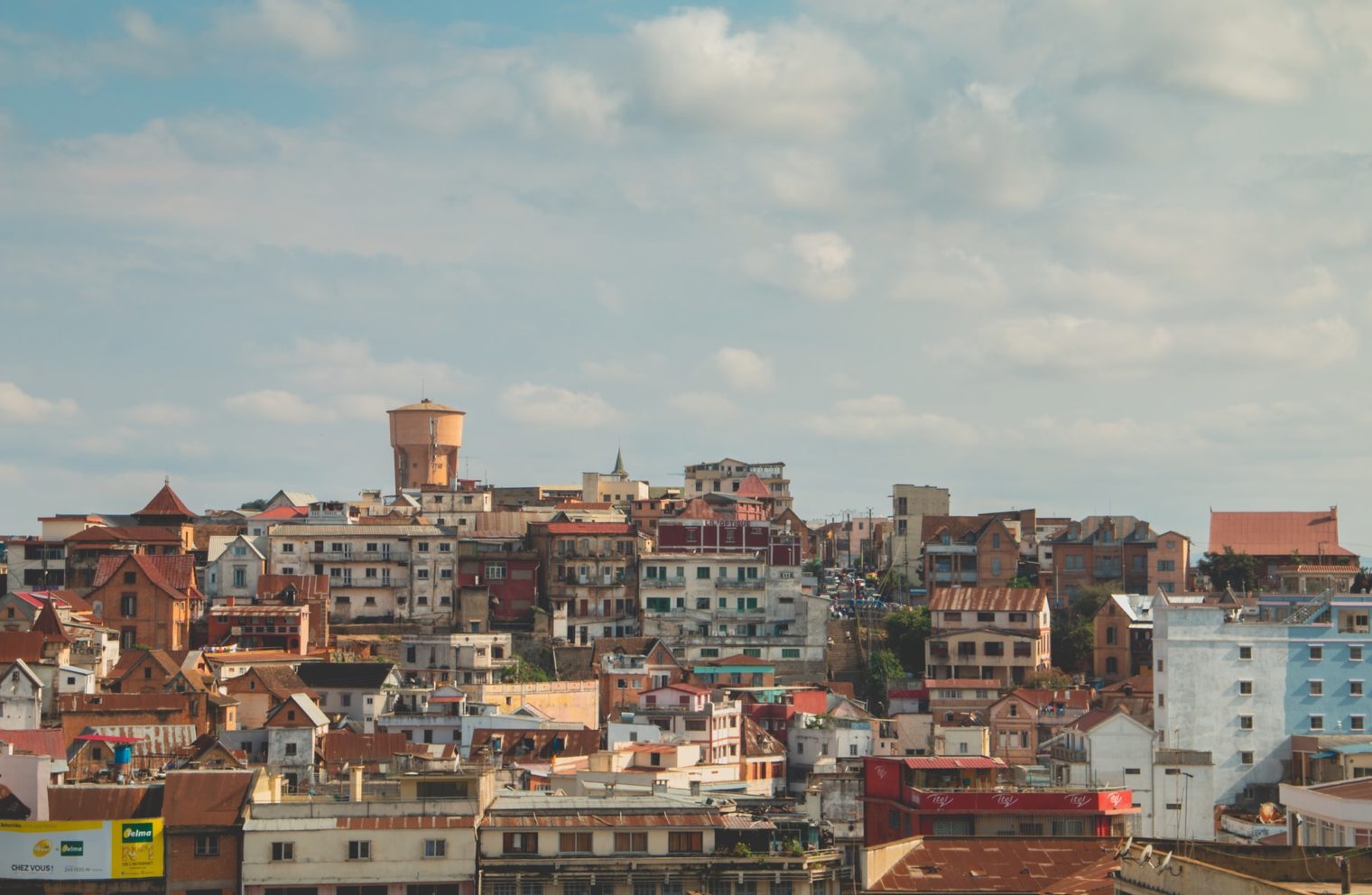
In the central highlands, historic houses include earth and brick buildings with pitched roofs, while royal sites express political and spiritual traditions. The UNESCO-listed Royal Hill of Ambohimanga combines a fortified royal city, burial places and sacred landscapes. It is an important cultural site, not simply a collection of old buildings. If you visit, follow local guidance and respect areas used for worship.
Woodcraft of the Zafimaniry
The Zafimaniry communities of the southeastern highlands are renowned for intricate woodworking. UNESCO recognises their woodcrafting knowledge as intangible cultural heritage. Traditionally, houses and tombs are assembled with mortise-and-tenon joints rather than metal fasteners, and carved designs carry social and cultural meaning. This living craft is more than a decorative style; it depends on knowledge passed between generations.
Coastal building traditions
In coastal and forested regions, builders have used locally available plant materials, including palm and ravinala, alongside wood and other materials. Raised floors and ventilation can suit humid settings. Materials and techniques differ by place, and contemporary houses often combine traditional and modern methods. Avoid assuming that every eastern or western home follows a single design.
Architecture and everyday culture
The layout of a home can reflect family life, belief and local custom, but rules about orientation or ritual are not the same throughout Madagascar. Ask a local guide before entering a private or sacred space, and seek permission before taking photographs. To understand the wider context, read our guide to Malagasy customs and traditions.
How to discover Malagasy architecture respectfully
Include time for historic sites and locally guided visits rather than treating inhabited villages as open-air museums. A route through the central highlands can pair cultural heritage with landscapes; other regions reveal different building materials and ways of life. Explore our cultural experiences, browse Madagascar tours or contact Natura Travel to plan a private itinerary.